
TL;DR

Get garden gear delivered free with Prime
- Fast, free delivery on millions of items
- Prime Video, Amazon Music and more included
- Member-only deals all year
A Greenhouse Grower report makes the case that high-school vocational horticulture should be a stronger entry point into the industry. Its author urges commercial growers to support school programs with technical guidance and hands-on teaching, while noting that internships alone may not give students enough exposure.
A Greenhouse Grower report is urging commercial greenhouse operators to work directly with high schools to strengthen vocational horticulture programs, arguing that students need practical exposure to the field before they choose a career path. The proposal responds to industry concerns about finding growers with production experience and would make businesses technical partners to school programs, rather than leaving teachers to manage greenhouses without industry support.
The report’s author draws on a personal example: vocational horticulture classes at Warren Central High School in Indianapolis helped introduce them to greenhouse production and floriculture. The author says that experience provided enough knowledge and confidence to begin working in horticulture after high school, without attending college. They report having remained in the industry for more than 40 years.
The author does not argue that college is unnecessary. They say the industry needs university-trained horticulturists, plant scientists, breeders, researchers and growers, while also making the case that a four-year degree should not be treated as the only route into a horticulture career. Their proposal centers on giving teenagers a chance to encounter the work earlier, before they are expected to decide what they want to do professionally.
Under the suggested model, a commercial greenhouse could support a local school greenhouse by helping teachers and students plan crops, set production standards, use existing equipment and learn practical skills such as scouting for pests and diagnosing plant problems. The report stresses that businesses should act as technical resources, not take over school facilities or dictate lessons. It also argues that teachers should not be expected to independently master every specialized aspect of greenhouse production.
Building Grower Skills Before Hiring
The proposal shifts part of the workforce discussion from recruitment to early career exposure. Employers often seek workers with practical production knowledge, while students may not know greenhouse work is a possible career. School-industry partnerships could connect those two needs by bringing growers’ day-to-day expertise into classrooms and school greenhouses.
That support could also help teachers offer students a more realistic view of horticulture. Managing crops involves ongoing decisions about water, light, temperature and nutrition, as well as responding to pests and disease. The report argues that students benefit from learning how growers identify problems and make decisions, rather than only studying plant names or completing classroom exercises.
The author presents this as a proposal, not a documented program with measured results. Whether it can be adopted broadly would depend on local businesses, school capacity, teacher time and access to suitable greenhouse facilities. Still, the argument is relevant to employers and educators seeking ways to introduce students to horticulture before they enter the labor market.
Products Worth Considering
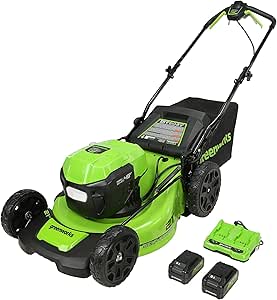
Greenworks 48V (24V x 2) 21-inch Self-Propelled Lawn Mower, Battery Kit

HOOYEAH 6 x 6 ft Walk-In Polycarbonate Greenhouse

Jocoevol 6 x 8 ft Walk-In Greenhouse with Polycarbonate Panels
As an affiliate, we earn on qualifying purchases.
School Greenhouses as Career Pathways
The report connects its recommendation to ongoing industry concerns about shortages of experienced growers, succession planning and competition for a limited pool of horticultural talent. It suggests that efforts focused mainly on recruiting college graduates and developing assistant growers may begin too late if young people have little opportunity to discover the field during high school.
The author describes vocational horticulture as an early introduction to the practical demands of the work. Their account of Warren Central includes instruction in growing and floriculture from teachers Phil Pitts and Pam Greene. The author credits that training with helping them see horticulture as a career, while explicitly recognizing that other students may take a university route.
The report also cautions that placing a greenhouse at a school does not, by itself, create a strong training program. Crops require attention beyond the school day, and teachers may be responsible for broad agricultural subjects without specialist expertise in irrigation, crop scheduling, pest management or environmental controls. The proposed business partnerships are intended to add practical help to existing instruction.
How Schools and Growers Would Partner
The report does not identify specific schools or commercial greenhouse businesses that have agreed to take part, nor does it provide a launch date, funding plan or model for measuring outcomes. It is an argument for action rather than an announcement of a new program.
Details also remain open about how partnerships would be organized: how often growers would visit, who would cover equipment or materials, and how schools would handle greenhouse care when classes are not in session. The source excerpt begins to discuss summer internships but ends before completing that point, so it does not provide a full account of the author’s recommendations on internship design.
Turning the Proposal Into Programs
The report calls on growers to consider becoming active partners to local schools, including by helping teachers set manageable crop plans and offering guidance when production problems arise. It does not announce a timetable or name a next formal milestone.
Any follow-up would depend on schools and greenhouse operators agreeing on the scope of support and how it fits with instruction. Readers should look for details from local schools, industry groups or businesses before treating the proposed partnerships as established programs. The report’s central next step is for the horticulture industry to move from discussing workforce gaps to helping students encounter the work earlier.
Key Questions
What development does the report describe?
The Greenhouse Grower report proposes that commercial greenhouse operators partner with high schools to support vocational horticulture education. It does not announce a specific new partnership or program.
What would commercial growers do under the proposal?
They could help teachers plan crops, set practical production standards, use greenhouse equipment and teach students skills such as plant scouting and diagnosing problems. The report says the goal is to support educators, not control school greenhouses or curricula.
Does the report argue that students should skip college?
No. The author says horticulture needs university-trained professionals and researchers, while arguing that a four-year degree should not be treated as the only successful route into a career.
Are these school-industry partnerships already underway?
The source material presents partnerships as a recommendation. It does not name participating schools or companies, or give a start date, budget or confirmed results.
Source: rss