TL;DR

Get garden gear delivered free with Prime
- Fast, free delivery on millions of items
- Prime Video, Amazon Music and more included
- Member-only deals all year
A Homes & Gardens report outlines seven October garden practices intended to protect habitat used by wild bees through winter, including leaving leaf litter and some plant stems in place. Experts quoted in the report say overwintering habits vary by species and region, so these steps are general guidance rather than a guarantee that a particular garden will support bees.
A Homes & Gardens report has outlined seven ways gardeners can preserve places for wild bees to overwinter, including keeping some leaf litter and plant stems in the garden rather than clearing everything in autumn. The advice, based on comments from experts with the Xerces Society and the U.S. Geological Survey, focuses on habitat protection; the report does not present new population data or say that any one measure will benefit every bee species.
The report describes two broad overwintering patterns among wild bees, alongside different ways to support garden birds in October. Many solitary bees remain in nests, often underground, while some use existing tunnels in hollow stems or other plant material. Their offspring develop inside sealed nest cells and may remain there until the following year. Bumblebee queens, by contrast, can spend winter underground or in leaf mulch before emerging to start colonies.
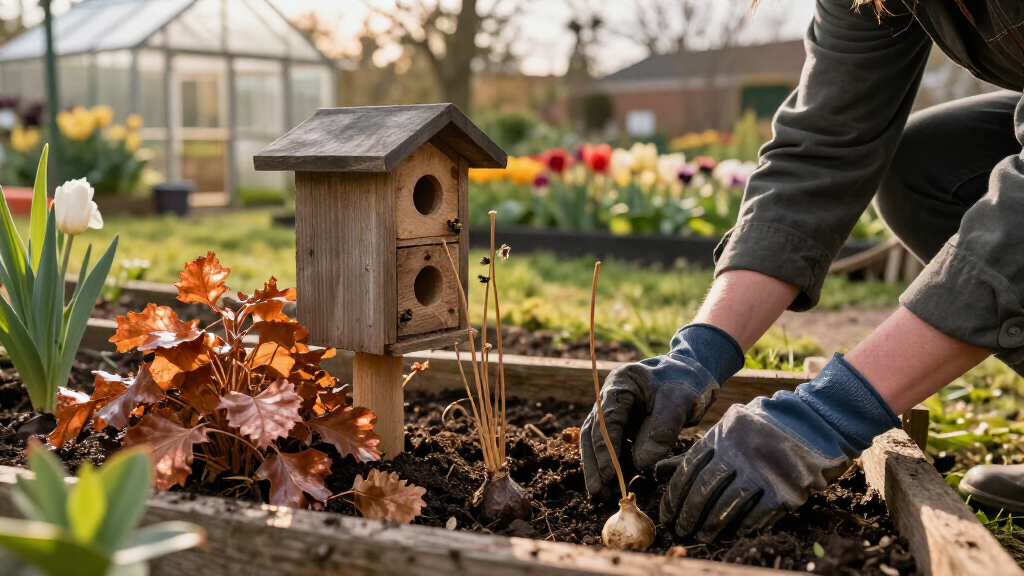
Its first recommendations are to leave leaf litter in suitable areas and adjust fall cleanup so that some stems remain, practices that can also help create a bird-friendly garden. Matthew Shepherd, the Xerces Society’s director of outreach and education, says leaf litter can provide a place for bumblebee queens to hibernate. He also says leaving stems can retain nesting opportunities for tunnel-nesting bees, including leafcutters and small carpenter bees.
The report’s headline promises seven ways, but the supplied source material contains only the first two recommendations and the beginning of a third section about not composting seed heads and stems. It does not provide the rest of the list, so further steps cannot be verified from the material available here. The practical advice that is included is to balance habitat with safety and garden needs: clear leaves from paths where they could cause slips, keep drains unblocked, and consider cutting plants down to about a foot in front gardens where leaving them standing is not practical.
Keeping Winter Bee Habitat in Gardens
Autumn tidying can remove or disturb places where some native bees spend the winter. Leaving selected patches of leaves and stems gives gardeners a relatively simple way to retain potential habitat while still maintaining paths, drains and areas that need cutting back. These choices matter because the report distinguishes native wild bees from honey bees and says the two groups should not be treated as interchangeable when discussing conservation.
The advice is not a substitute for species-specific habitat management: the report emphasizes that bees overwinter differently depending on species and location. But it offers a practical principle for October—avoid clearing every possible nest site—that readers can apply without leaving the whole garden unmanaged.
wild bee habitat preservation garden tools
As an affiliate, we earn on qualifying purchases.
As an affiliate, we earn on qualifying purchases.
How Different Bees Spend Winter
The report quotes Sam Droege, a wildlife biologist with the U.S. Geological Survey, saying that regional differences shape bee behavior, although a general pattern is that some wild bees nest above ground and a larger share nest in the ground. Shepherd says solitary bees make up most bee species and include mason, leafcutter, long-horned and mining bees.
For many solitary species, a female supplies nest cells with food, lays an egg in each and seals the nest before dying. The young develop in those cells and emerge the next year. Bumblebees follow a social-colony cycle: most of the colony dies toward summer’s end, while new queens overwinter and later found colonies. These differences explain why preserving a range of undisturbed garden features can be more useful than assuming all bees need the same shelter.
““For bees, leaf litter can provide a place where bumble bee queens can hibernate.””
— Matthew Shepherd, director of outreach and education at the Xerces Society for Invertebrate Conservation
leaf litter garden habitat support
As an affiliate, we earn on qualifying purchases.
As an affiliate, we earn on qualifying purchases.
Limits of the Available Advice
The source material supplied for this report stops partway through the third tip, despite the headline referring to seven. The remaining recommendations and the full detail of the seed-head and stem guidance are not available here. The report also does not specify which individual species will use a particular garden, how much habitat any one measure supplies, or quantify its effect on bee populations. Its guidance should be read as general seasonal advice, not a measured outcome.
As an affiliate, we earn on qualifying purchases.
October Tasks for Gardeners
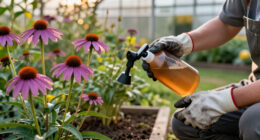
Gardeners following the available recommendations can leave leaf litter in a back corner, flower border or along a hedge, while removing leaves from slippery surfaces and keeping drains clear. They can also retain some perennial and annual stems where practical, or cut plants back to around one foot if a tidier front garden is needed, as Droege suggests. The report advises avoiding pesticides, but gives no product-specific instructions; any pesticide use should follow its label and include the protective equipment required by that label.
The source does not provide dates for when the full seven-step list may be available. As winter approaches, the advice centers on maintaining suitable undisturbed areas and allowing overwintering bees to complete their life cycle; the timing of emergence will vary by species and region.
garden leaf and stem preservation products
As an affiliate, we earn on qualifying purchases.
As an affiliate, we earn on qualifying purchases.
Key Questions
What garden changes does the available report recommend for October?
It recommends retaining leaf litter in appropriate areas and leaving some stems of perennials and annuals standing where practical. Clear leaves from slippery paths and keep drains open.
Do all wild bees overwinter in the same way?
No. The experts quoted say overwintering habits vary by species and region. Many solitary bees remain in nests, while bumblebee queens can spend winter underground or in leaf mulch.
Does the source provide all seven tips?
No. The supplied material includes the first two recommendations and only the start of a third section. The other tips cannot be confirmed from the source material provided.
Should leaves be left everywhere in the garden?
No. Shepherd’s advice is to keep leaf litter in suitable places, while clearing it from areas where it could cause slips or block drains.
Source: rss
Columbus Day / Indigenous Peoples' Day Picks
long weekend sales
As an affiliate, we earn on qualifying purchases.