TL;DR

Get garden gear delivered free with Prime
- Fast, free delivery on millions of items
- Prime Video, Amazon Music and more included
- Member-only deals all year
Gardening Know How has highlighted serviceberry as a native alternative for homeowners considering an ornamental tree instead of Bradford pear. The report points to serviceberry’s spring blooms, edible berries, fall foliage and value to wildlife, while noting that growth and shape vary by species and cultivar.
Gardening Know How is recommending serviceberry as a native alternative to Bradford pear, citing its spring flowers, edible berries, autumn foliage and benefits for wildlife. The report presents the tree as an option for homeowners choosing an ornamental planting, while noting it may not match Bradford pear’s uniform shape or growth rate.
Serviceberry refers to trees and shrubs in the Amelanchier genus, also known as juneberry or shadbush. Depending on species and variety, plants can grow as a large shrub or a small tree, which the report says can suit yards where a full-sized shade tree would be too large. It does not identify one serviceberry species or cultivar as the best choice for every garden.
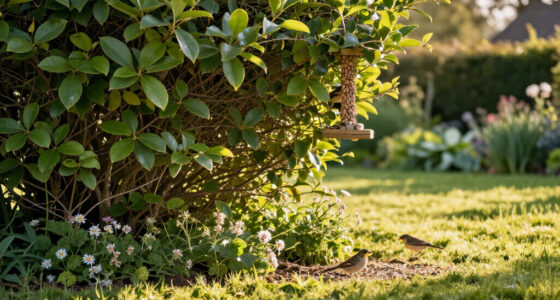
The report describes a sequence of seasonal features: spring blossoms, berries that people can eat and use in foods such as pies and jams, and foliage that may turn yellow, orange or red in fall. Birds also eat the fruit, and the tree can provide an early source of nectar and pollen for pollinators. These are general characteristics in the report; results can depend on the plant selected and local growing conditions.
For planting, Gardening Know How says most species grow in full sun or partial shade and recommends well-draining soil. It cautions that serviceberry will not necessarily grow as quickly as Bradford pear or form the same upright, uniform shape. The report does not provide comparative growth measurements, regional hardiness guidance or a specific maintenance schedule.
A Tree With More Than Spring Blooms
The recommendation matters to homeowners weighing the ornamental appeal of Bradford pear against concerns about its drawbacks. The report says Bradford pear flowers can have an unpleasant smell, branches are prone to splitting, and the trees can contribute to the spread of invasive Callery pears. It offers serviceberry as an alternative that can provide seasonal interest while also supporting wildlife and producing fruit.
That trade-off may be useful for people selecting a tree for a smaller yard or a wildlife-conscious garden. Serviceberry’s range of shrub and small-tree forms can offer more flexibility than a single uniform tree shape. Still, the article is a gardening recommendation, not a controlled comparison of performance: it does not establish that serviceberry is suitable for every site or that planting it will prevent the spread of Callery pear.
Products Worth Considering

Traeger Westwood Wood Pellet Grill and Smoker, 653 sq. in., WiFIRE

Greenworks 40V 16-Inch Brushless Cordless Chainsaw with 4.0Ah Battery and Charger

EGO POWER+ CS1611 16-Inch Cordless Chainsaw with 56V 2.5Ah Battery and Charger
As an affiliate, we earn on qualifying purchases.
Why Gardeners Are Reconsidering Bradford Pear
The source frames serviceberry as a substitute for Bradford pear’s familiar white spring flowers and fall display. Its argument is that a garden tree can offer more than a short period of visual appeal: serviceberry also produces fruit eaten by people and birds and provides resources for pollinators.
The report does not give a planting-region map, cite specific research or identify a new policy or horticultural finding. Its central development is an editorial recommendation for homeowners considering a new ornamental tree, rather than a formal announcement or a claim that Bradford pear has been banned or removed from sale.
“A native tree with four seasons of interest”
— Gardening Know How
Choosing the Right Serviceberry
The report does not specify which Amelanchier species or cultivar will perform best in a particular region, nor does it supply hardiness zones, mature dimensions or detailed care instructions. Flowering, fruit production, fall color and mature size can vary with the plant and its growing conditions; the article’s broad description should not be read as a guarantee for every garden.
It also offers no comparative data on serviceberry and Bradford pear growth rates, branch strength or wildlife use. The source’s statements about Bradford pear and Callery pear spread are part of its gardening guidance; it does not quantify the scale of that spread or discuss local regulations. Gardeners should check regional planting guidance before selecting a tree.
Check Local Growing Guidance
For readers considering the switch, the practical next step is to identify a serviceberry suited to their region and available space. A local nursery or extension service can help match a species or cultivar to soil, light and mature-size needs. The source recommends well-draining soil and says most species tolerate full sun or partial shade, but it does not offer a planting calendar or detailed aftercare instructions.
The supplied report does not announce a follow-up study, new rule or planned action. Any broader claims about serviceberry’s performance compared with Bradford pear would require region-specific information or comparative evidence not included in the article.
Key Questions
What tree does Gardening Know How recommend instead of Bradford pear?
It recommends serviceberry, a common name for trees and shrubs in the Amelanchier genus.
What does serviceberry offer through the year?
The report highlights spring flowers, edible berries, fall foliage and food resources for pollinators and birds. The display can vary by species, variety and growing conditions.
Does serviceberry grow like Bradford pear?
Not necessarily. Gardening Know How says serviceberry may grow more slowly and may not have Bradford pear’s uniform, upright form. Serviceberry can be a large shrub or small tree, depending on the type.
Where should serviceberry be planted?
The report says most species grow in full sun or partial shade and recommends well-draining soil. It does not give region-specific guidance, so gardeners should confirm the suitable species and conditions locally.
Source: gardeningknowhow.com