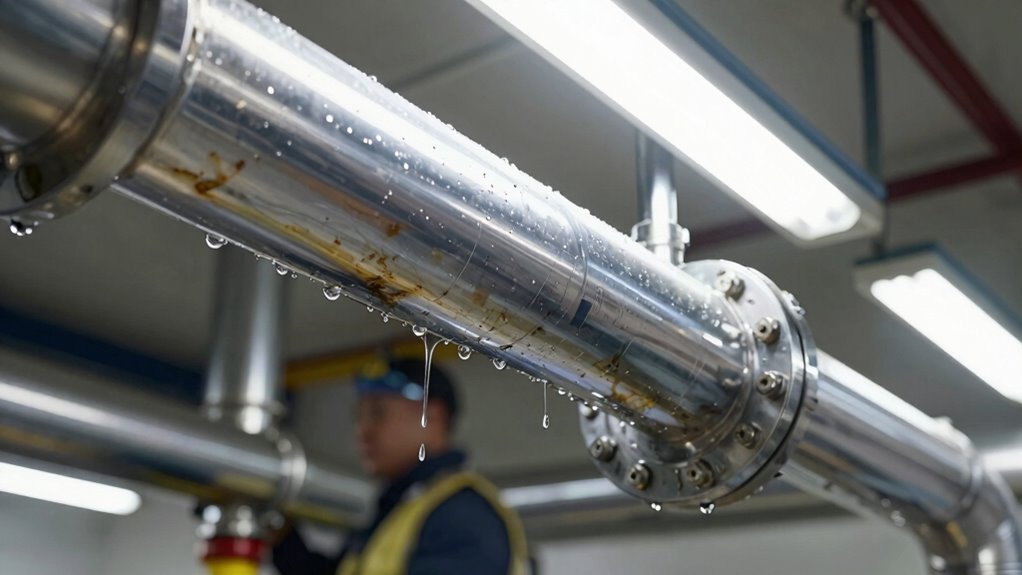

You need more frequent flushing in some systems because sediment buildup from corrosion, debris, or chemical residues happens faster due to poor design, age, or sluggish water flow. Systems with complex layouts or irregular maintenance tend to trap more debris and require extra attention. Regular flushing helps prevent blockages, bacterial growth, and damage, ensuring your system runs smoothly. If you want to understand exactly what causes these differences, keep exploring the factors affecting system performance.

Get garden gear delivered free — and shop member deals
- Fast, free delivery on millions of items
- Access to Prime Big Deal Days deals on October 6–7
- Prime Video, Amazon Music and more included
Key Takeaways
- Poor system design can lead to slower water flow and increased sediment settling, requiring more frequent flushing.
- Older systems are more prone to corrosion and debris buildup, necessitating more frequent maintenance.
- Chemical residues from treatments may settle and cause deposits, increasing flushing frequency.
- Irregular or inadequate maintenance accelerates sediment accumulation, demanding more frequent flushing.
- Complex piping layouts trap debris more easily, leading to higher flushing needs compared to simpler systems.
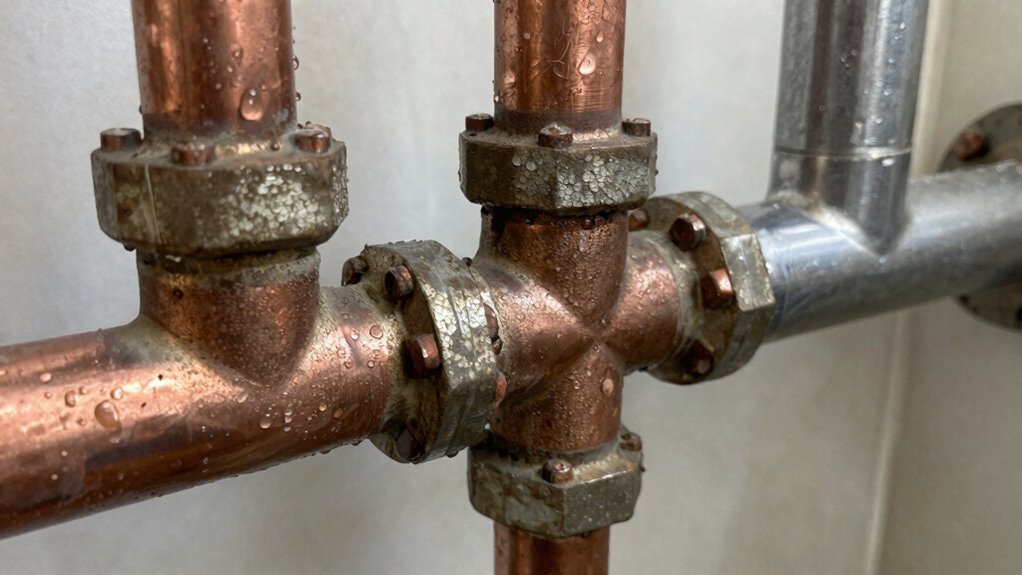
Some systems require more frequent flushing because of the unique ways they handle water flow and waste buildup. You might notice that certain plumbing setups or sanitation systems need regular maintenance to keep everything running smoothly. One common reason is sediment buildup, which can occur in pipes, tanks, or filters over time. When sediments accumulate, they restrict water flow, increase the risk of clogs, and reduce the overall efficiency of your system. If you don’t flush regularly, these sediments can harden or cause blockages, making it necessary to perform more frequent maintenance. Proper system design can also influence how often flushing is needed, as it affects water movement and debris accumulation. Chemical treatment plays a significant role in managing these issues. Many systems rely on chemical agents to control sediment accumulation, prevent corrosion, or treat waste. While chemical treatments help keep things in balance, they can also influence how often you need to flush. For instance, some chemicals may cause residues or deposits that settle in pipes or tanks, contributing to sediment buildup. When this occurs, regular flushing becomes essential to remove these deposits and ensure the chemicals work effectively. If you neglect this step, the chemicals might not distribute evenly or could lead to further complications, like corrosion or reduced water quality. Additionally, sediment accumulation can be more problematic in systems with irregular maintenance schedules. You might also find that certain systems with slower water flow are more prone to sediment settling. If water moves sluggishly, sediments have more time to settle out of suspension and accumulate at the bottom of tanks or along pipe walls. This buildup gradually narrows the pathways water travels through, making flushing more necessary to clear out the deposits and restore proper flow. Conversely, systems designed for faster water movement tend to keep sediments in suspension longer, reducing the frequency of flushing needed. Proper maintenance schedule ensures that potential issues are identified early before they develop into costly repairs. In addition, your system’s age and design influence how often you should flush. Older setups tend to have more wear and tear, which can lead to increased sediment shedding or corrosion products that need removal. Similarly, complex or poorly designed systems may trap debris more easily, requiring you to flush more often to prevent issues. Keeping an eye on water quality and monitoring for signs of buildup can help you stay ahead of problems and avoid unnecessary repairs. Recognizing signs of sediment buildup early can save you from more extensive repairs later on. Regular flushing practices can also help prevent the formation of bacterial or mold growth, which poses additional risks to water safety. Ultimately, understanding your system’s specific needs—whether it’s sediment buildup, chemical treatment, or flow design—helps you determine how often to flush. Regular maintenance not only keeps everything working efficiently but also extends the lifespan of your system. By paying attention to these factors, you can avoid costly repairs and ensure your water or waste management remains smooth and effective.
sediment filter for plumbing systems
As an affiliate, we earn on qualifying purchases.
As an affiliate, we earn on qualifying purchases.
Frequently Asked Questions
How Do Water Quality Differences Affect Flushing Frequency?
Water quality differences directly impact how often you need to flush your system. If your water has high levels of contamination or sediment buildup, you’ll notice more debris and impurities, which can clog or damage components. Regular flushing helps remove these contaminants, ensuring smooth operation. Poor water quality means you should increase flushing frequency to prevent buildup, protect equipment, and maintain clean, safe water in your system.
What Role Does System Design Play in Maintenance Schedules?
System design directly influences maintenance frequency and overall efficiency. If your system is designed with ideal flow and minimal dead zones, it operates more efficiently and requires less frequent flushing. Conversely, poorly designed systems can lead to stagnation and buildup, increasing maintenance needs. By focusing on effective layout and components, you enhance system efficiency and reduce how often you need to perform maintenance, saving you time and resources.
Are There Specific Industries With Higher Flushing Requirements?
In industrial applications and residential plumbing, some systems require frequent flushing due to fouling, build-up, or flow issues. Industries like manufacturing, food processing, and chemical plants often need more regular flushing to prevent blockages and maintain safety. Residential systems, especially those with hard water or older pipes, also demand frequent flushing to keep water flowing freely and prevent sediment accumulation. Sticking to a schedule keeps systems smooth and safe.
How Does Usage Volume Impact Flushing Intervals?
Your usage volume directly impacts flushing intervals because higher usage patterns mean water systems accumulate debris, sediments, and biofilms faster. This necessitates more frequent flushing to maintain proper system performance and hygiene. By monitoring your usage and adjusting maintenance scheduling accordingly, you guarantee your system stays clean and efficient. Regular flushing based on usage volume helps prevent clogs, corrosion, and bacterial growth, ultimately extending the system’s lifespan.
Can Technological Advancements Reduce Flushing Needs?
Technological advancements can indeed reduce flushing needs, but beware—biological contamination and chemical treatment challenges still pose risks. New sensors and automation allow you to monitor system health in real-time, detecting issues before they escalate. Innovations in filtration and disinfection can minimize the frequency of flushing, yet persistent threats from contamination mean you must stay vigilant. Embrace these tech advances, but remember, no system is entirely foolproof; caution remains essential.
As an affiliate, we earn on qualifying purchases.
Conclusion
Just as some systems demand frequent flushing to stay clear and efficient, others can go longer without attention. It’s like a busy highway versus a quiet country road—one needs constant maintenance, the other less. Understanding these differences helps you keep each system running smoothly, avoiding backups or breakdowns. So, whether you’re managing a delicate machine or a simple setup, knowing when to flush is your best tool—because, sometimes, less isn’t more.
As an affiliate, we earn on qualifying purchases.
As an affiliate, we earn on qualifying purchases.
Fall yard work Picks
leaf blowers
As an affiliate, we earn on qualifying purchases.