
TL;DR

Get garden gear delivered free with Prime
- Fast, free delivery on millions of items
- Prime Video, Amazon Music and more included
- Member-only deals all year
Swim diapers do not absorb urine; they are designed to contain solid waste and prevent contamination. This design helps keep pools clean and is mandated by many facilities. The purpose is not to absorb pee but to contain poop, which is confirmed by diaper manufacturers and health guidelines.
Swim diapers are intentionally designed to allow urine to pass through, focusing on containing solid waste, a fact confirmed by diaper manufacturers and health authorities. This design choice is crucial for maintaining pool hygiene and complying with regulations.
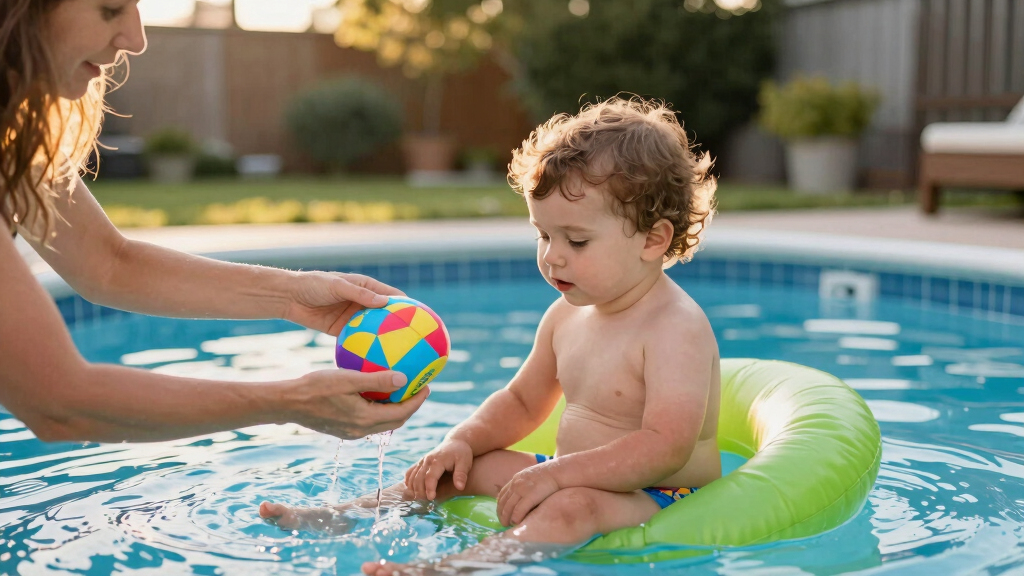
Unlike regular diapers, swim diapers do not absorb liquids, including urine, to prevent them from becoming heavy and uncomfortable in water. Instead, they are engineered with a no-swell core and leak barriers to contain solid waste, reducing contamination risks in swimming environments. According to diaper manufacturers such as Pampers, swim diapers are made specifically for water use, emphasizing a snug fit and leak protection. They are often required by public pools and beaches to prevent fecal matter from entering the water, which can pose health hazards. Reusable and disposable options are available, with disposable swim diapers offering convenience for quick changes during water activities. Proper use involves putting the diaper on just before entering the water, ensuring a snug fit, and changing immediately if soiled.
Why It Matters
This understanding matters because it clarifies a common misconception: swim diapers are not meant to absorb urine. Recognizing their purpose helps parents and caregivers use them correctly, ensuring hygiene and compliance with pool regulations. It also highlights the importance of using regular diapers for urine, changing them before water activities, and switching to swim diapers only for solid waste containment. Proper use reduces the risk of contamination and helps maintain safe swimming environments, especially in public pools and beaches.
Products Worth Considering

Husqvarna 122C 22-cc 2-Cycle Gas String Trimmer, 17-Inch Curved Shaft

Traeger Pro 22 Wood Pellet Grill and Smoker, 572 sq. in.

EGO Power+ HT2601 26-Inch Cordless Hedge Trimmer with 56V 2.5Ah Battery and Charger
As an affiliate, we earn on qualifying purchases.
Background
Historically, many parents believed swim diapers prevented all waste from entering the pool, including urine. However, industry sources and health guidelines confirm that swim diapers are designed to contain fecal matter only. This design has been standard for years, with recent discussions emphasizing the importance of understanding their function. Regulations in many swimming facilities mandate swim diapers for children not potty-trained, primarily to prevent fecal contamination. The distinction between swim and regular diapers has become clearer, with manufacturers emphasizing their purpose for water safety and hygiene.
“Swim diapers are designed not to absorb urine but to contain solid waste, helping keep pools clean and safe.”
— Pampers spokesperson
“Proper use of swim diapers can help reduce contamination risks, but they are not designed to absorb urine.”
— CDC guidelines
What Remains Unclear
It is still unclear whether all brands explicitly confirm this design purpose or if some misconceptions persist among consumers. The extent of public awareness about this fact varies, and some parents may still believe swim diapers prevent all waste from entering the water.
What’s Next
Manufacturers are expected to continue clarifying the purpose of swim diapers through marketing and instructions. Health authorities may reinforce educational campaigns to ensure proper usage. Further research and communication could help dispel misconceptions, leading to better hygiene practices during water activities.
Key Questions
Do swim diapers absorb urine like regular diapers?
No, swim diapers are not designed to absorb urine. They focus on containing solid waste to prevent contamination in pools.
Why do pools require swim diapers for young children?
Many pools require swim diapers to prevent fecal matter from entering the water, maintaining hygiene and safety standards.
Can I use regular diapers in the pool?
No, regular diapers absorb water and become heavy, making swimming uncomfortable and increasing the risk of leaks and contamination.
What should I do if my child has a bowel movement in the pool?
Immediately exit the water, change the swim diaper, and clean the area. Many pools have protocols for such incidents to ensure safety.
Are reusable swim diapers effective?
Yes, reusable swim diapers are effective for containing solid waste and can be washed and reused, offering an eco-friendly option.
Source: reddit