TL;DR
A flowering plant has been identified as a natural firebreak, offering an eco-friendly way to reduce wildfire spread. It is easy to grow, even for novice gardeners. This discovery could impact fire management and gardening practices.
A flowering plant has been identified as a natural firebreak, capable of reducing the spread of wildfires while being easy for beginners to grow. Experts say this discovery could influence fire management strategies and promote eco-friendly gardening practices.

Get garden gear delivered free with Prime
- Fast, free delivery on millions of items
- Prime Video, Amazon Music and more included
- Member-only deals all year
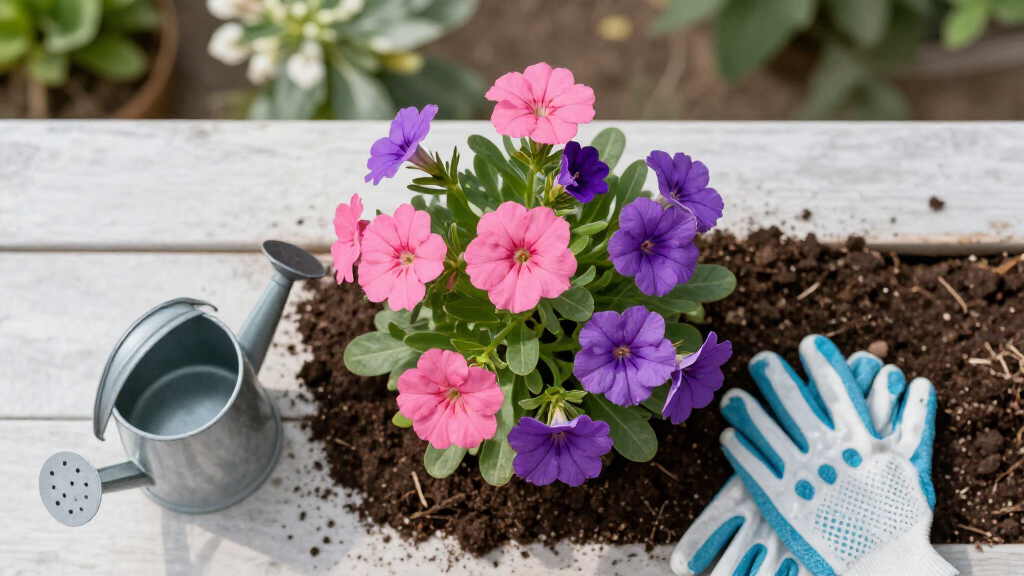
According to recent reports from gardening and environmental sources, this plant, whose name has not been specified, forms a natural barrier that can help slow or prevent the spread of wildfires. The plant is characterized by its dense, fire-resistant foliage and vibrant flowers, making it both functional and aesthetically pleasing.
Gardening experts emphasize that the plant is highly adaptable and requires minimal maintenance, making it accessible for novice gardeners. Its ability to act as a firebreak has been supported by preliminary studies and anecdotal evidence from fire-prone regions.
Officials and environmentalists are exploring ways to incorporate this plant into wildfire mitigation efforts, especially in areas where traditional firebreaks are difficult to maintain or implement.
Potential Impact on Wildfire Prevention Strategies
This discovery offers a promising, eco-friendly alternative to traditional firebreaks, which often involve clearing large areas of vegetation or constructing physical barriers. The plant’s ease of growth means communities and individual gardeners can contribute to wildfire mitigation efforts without specialized equipment or extensive resources.
If further research confirms its effectiveness, widespread planting could help reduce the frequency and severity of wildfires, protecting ecosystems, property, and lives. Its aesthetic appeal also encourages community participation in fire prevention.
Products Worth Considering

Solo Stove Bonfire 19.5-Inch Smokeless Wood-Burning Fire Pit with Stand

CROWN SHADES 8 x 6 ft Portable Walk-In Greenhouse

Rachio 3 Smart Sprinkler Controller, 16-Zone
As an affiliate, we earn on qualifying purchases.
Background on Firebreaks and Eco-friendly Alternatives
Traditional firebreaks involve clearing vegetation or creating physical barriers to slow fire spread, but these methods can be costly, labor-intensive, and environmentally disruptive. Recent efforts focus on natural solutions, including planting fire-resistant vegetation that can act as a buffer against wildfires.
This plant’s identification as a natural firebreak aligns with ongoing research into sustainable fire management practices, especially in regions increasingly affected by wildfires due to climate change. Prior studies have highlighted the importance of fire-resistant plants, but few have gained popularity for their dual role as ornamental and protective.
“This flowering plant shows great promise as a natural firebreak, combining ecological benefits with ease of cultivation.”
— Dr. Emily Carter, Environmental Botanist
Effectiveness and Implementation Challenges Still Under Study
While initial observations are promising, comprehensive scientific studies are needed to confirm the plant’s fire-resistant properties and practical effectiveness as a firebreak. It is not yet clear how well it performs in different environmental conditions or how large-scale planting might impact local ecosystems.
Experts caution that further research is required before recommending widespread adoption, and questions remain about the plant’s long-term sustainability and potential invasiveness in certain regions.
Ongoing Research and Pilot Planting Projects
Researchers plan to conduct controlled experiments to evaluate the plant’s fire-resistant capabilities more rigorously. Simultaneously, local governments and environmental groups are initiating pilot projects to test large-scale planting in fire-prone areas.
Monitoring and data collection over the coming months will determine whether this plant can become a standard tool in wildfire prevention strategies. Public awareness campaigns are also expected to promote its cultivation among gardeners and communities.
Key Questions
What type of plant is this?
The specific species has not been publicly named, but it is described as a flowering, fire-resistant plant suitable for various climates.
Can I plant this in my garden to help prevent fires?
While initial reports are positive, experts recommend waiting for further scientific validation before relying on it as a firebreak. However, it can be a beautiful addition to a fire-resistant garden.
Is this plant invasive or harmful to local ecosystems?
It is not yet clear whether the plant might become invasive; ongoing research aims to assess its ecological impact thoroughly.
When will this plant be widely available for planting?
Widespread availability depends on the outcomes of ongoing studies and pilot projects, which are expected to take several months to a year.
How does this plant compare to traditional firebreaks?
This plant offers a natural, low-maintenance alternative that can be integrated into gardens and landscapes, potentially reducing costs and environmental disruption compared to conventional methods.
Source: rss