
TL;DR

Get garden gear delivered free with Prime
- Fast, free delivery on millions of items
- Prime Video, Amazon Music and more included
- Member-only deals all year
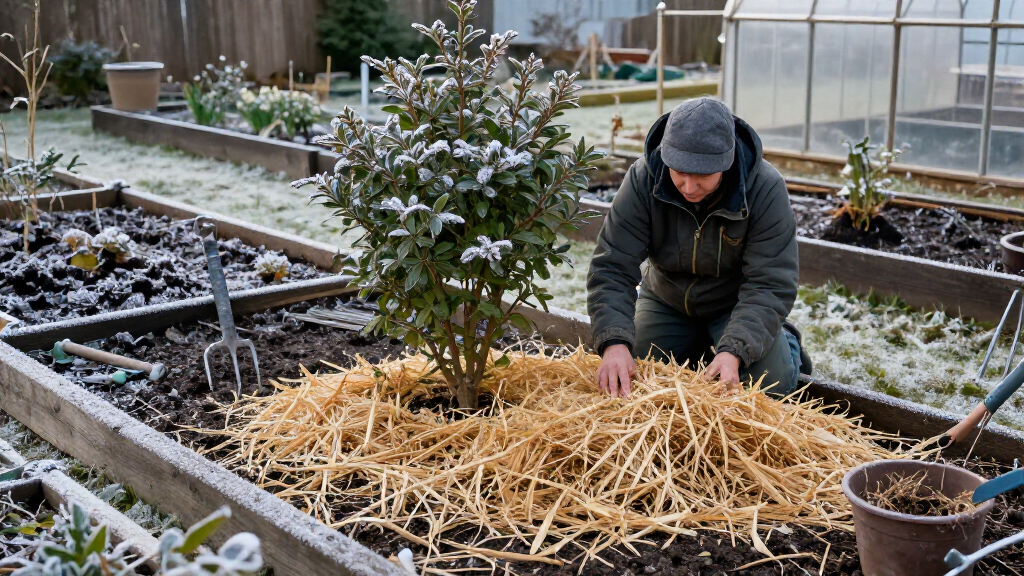
A Homes & Gardens gardening report recommends applying 3–4 inches of mulch around blueberry bushes in late fall or early winter to help insulate their shallow roots. It advises leaving space around stems and giving container-grown plants added protection; the best approach depends on the variety and local winter conditions.
Homes & Gardens has published guidance on protecting blueberries from winter cold, recommending a 3–4-inch layer of mulch over the root area in late fall or early winter. The method is aimed at insulating the bushes’ shallow roots, while container-grown blueberries may need extra steps because their roots are more exposed to freezing temperatures.
The report says most blueberry roots sit within the top 12 inches of soil, leaving them vulnerable to deep frosts and drying out. It recommends spreading mulch out to the plant’s drip line—the area beneath the outer branches—but leaving a gap of a few inches around the stem. Piling mulch against the stem can contribute to rot, the report warns.
Suggested materials include pine bark, pine needles and wood chips. These organic mulches can help insulate soil, retain moisture and suppress weeds, while gradually adding organic matter as they break down. The report says such materials can also support acidic soil conditions favored by blueberries, but warns that mulch alone will not sharply lower soil pH. Blueberries generally prefer a pH of about 4.5 to 5.5; the article recommends testing soil every few years.
For plants in pots, the report advises moving containers together beside a sheltered wall, mulching the soil surface, or wrapping pots with frost cloth, burlap or purpose-made covers. It also recommends raising containers on pot feet so they can drain during winter. Newly planted bushes need protection during their first winter, according to the guidance. In particularly cold locations, gardeners can also wrap plants in frost cloth or burlap.
Mulch Buffers Shallow Roots From Frost
Winter protection matters because a blueberry bush’s roots are much less sheltered than its branches. A layer of mulch acts as an insulating buffer over the soil, which may reduce exposure to temperature swings and help the root zone retain moisture. The same layer can support soil quality over time as organic material decomposes.
The advice is not a guarantee against cold damage. The report notes that cold tolerance varies by variety: northern highbush blueberries can tolerate temperatures below -20°F, while southern highbush varieties may be damaged once temperatures fall below freezing. Gardeners should account for their cultivar and local conditions rather than assume one winter strategy suits every bush.
Products Worth Considering

Orbit B-hyve XR 16-Zone Indoor/Outdoor Smart Sprinkler Timer
Orbit B-hyve XR 8-Zone Indoor/Outdoor Smart Sprinkler Controller

14 Pcs Polycarbonate Greenhouse Panels, 6' x 2' x 0.24'' Twin-Wall Panels, Polycarbonate Sheet for All Weather Outdoor Garden and Greenhouse
As an affiliate, we earn on qualifying purchases.
Variety and Growing Method Matter
The report frames mulching as a recurring seasonal task, rather than a one-time fix. It recommends applying mulch in late fall or early winter, and says established bushes can benefit from annual coverage. The stated benefits extend beyond winter insulation: mulch can help limit weeds and conserve soil moisture during warmer months.
Growing blueberries in containers can make the fruit accessible to people whose garden soil is alkaline, since pots can be filled with acidic, ericaceous compost. But container roots do not have the same surrounding soil as plants in the ground, so the article calls for extra winter care. Separately, pruning is best left until late winter or early spring, just before new growth begins, rather than being done in early winter.
Local Frost Risks Still Vary
The source is a gardening advice report, not a comparative trial, and it does not provide measured results showing how much the recommended mulch layer changes root temperatures or improves berry yields. It also does not specify a single protection plan for every climate, cultivar, pot size or winter exposure. The article says some plants may need additional care, but the exact level depends on local conditions.
Mulch that suits blueberry soil preferences should not be treated as a substitute for checking soil acidity. The report says pine-based materials may help, but do not dramatically lower pH on their own. Gardeners’ current soil pH and the appropriate response will vary; the article points to periodic soil testing rather than relying on mulch alone.
Apply Mulch Before Deep Frosts
Gardeners following the report’s advice should spread the mulch before the coldest part of winter, keeping it 3–4 inches deep and away from the stems. Those growing blueberries in pots can move them to a sheltered spot, protect the container and keep it raised for drainage. Where severe cold is expected, the report suggests adding a plant wrap.
As winter ends, pruning can be scheduled for late winter or early spring, shortly before growth resumes. The source does not provide a forecast or a date for local frost conditions, so gardeners will need to time these tasks according to their area and the condition of their plants.
Key Questions
How deep should mulch be around blueberry bushes?
The Homes & Gardens report recommends a 3–4-inch layer, spread to the bush’s drip line. Leave a gap a few inches wide around the stem to reduce the risk of rot.
Which mulch can be used for blueberries?
The report lists pine bark, pine needles and wood chips. These organic materials can help insulate soil and support acidic conditions, but they should not be relied on to lower soil pH substantially.
Do potted blueberries need winter protection?
Yes. The report says container-grown roots are more exposed to cold than roots in the ground. Options include moving pots beside a sheltered wall, mulching the soil surface, wrapping the pots and raising them on pot feet for drainage.
When should blueberry bushes be pruned?
The report recommends pruning in late winter or early spring, just before new growth starts, rather than in early winter.
Source: homesandgardens.com