
To prevent pests in your indoor garden, use natural repellents like neem oil or garlic extract around your plants, and incorporate pest-resistant varieties such as succulents and marigolds. Keep your environment healthy by avoiding overwatering, removing dead leaves, and controlling humidity. Regularly inspect your plants for early signs of pests, and act quickly using natural methods. Staying proactive with these strategies helps maintain a vibrant garden—you’ll discover even more tips as you continue to care for your plants.
Key Takeaways
- Use natural repellents like neem oil, garlic extract, and pest-repellent plants to deter pests.
- Select pest-resistant plants such as succulents and certain ferns to reduce attraction.
- Maintain proper watering, remove debris, and avoid excess moisture to prevent pest habitats.
- Conduct daily inspections to detect pests early and implement prompt natural remedies.
- Foster a healthy environment with good sanitation and proper plant care to minimize pest risks.

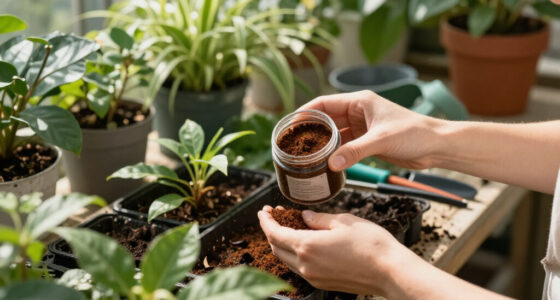
Indoor gardens can bring beauty and freshness to your home, but they also attract pests that can damage your plants. To keep your indoor oasis thriving, you need to take proactive steps to prevent infestations. One effective way is to utilize natural repellents. These are substances derived from plants or other natural sources that deter pests without harming your plants or your household environment. For example, spraying a mixture of neem oil or diluted garlic extract around your plants can create a barrier that pests dislike. Additionally, introducing pest-repellent plants like basil, mint, or marigolds into your indoor garden can naturally keep pests away. These plants emit strong scents that disrupt pests’ ability to locate their preferred hosts, reducing the likelihood of infestations.
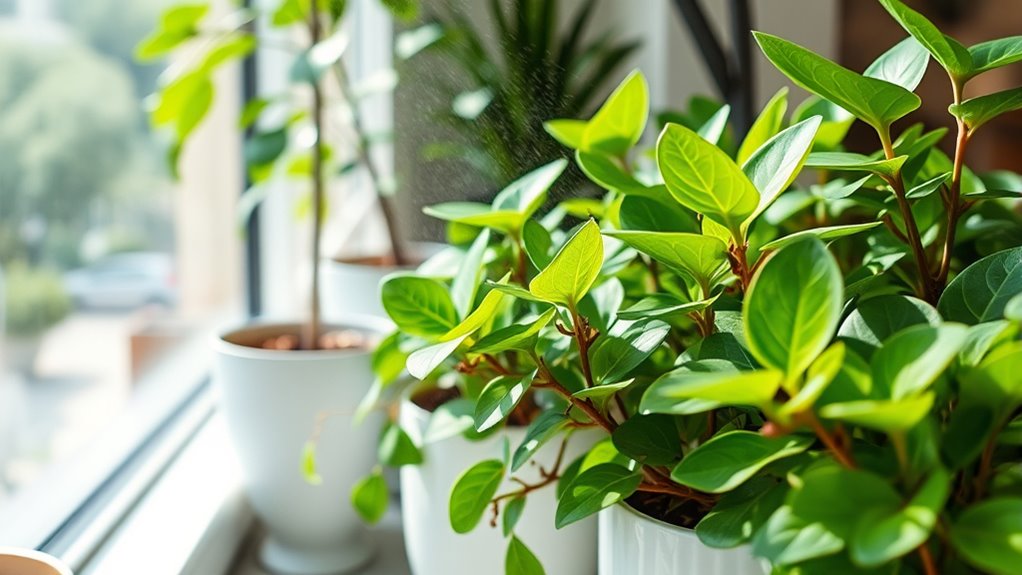
Choosing pest-resistant plants is another key strategy. Some plants are inherently less attractive to pests, either because of their tough leaves, strong odors, or natural defenses. Incorporate these into your garden to create a more resilient space. For example, succulents and certain ferns tend to be less appealing to common pests like spider mites or fungus gnats. When you select plants known for their pest resistance, you’re reducing the chances that pests will establish themselves, which means you’ll spend less time dealing with infestations and more time enjoying your garden.
Choose pest-resistant plants like succulents and ferns to reduce infestations naturally.
Maintaining a healthy environment is also crucial; healthy plants are less likely to be attacked by pests, and avoiding overwatering can prevent creating ideal conditions for pests like mold and fungus gnats. Good sanitation practices also play a essential role. Regularly remove dead leaves, fallen debris, and avoid overwatering, as excess moisture attracts pests like fungus gnats and mold. Keep your plants healthy with proper watering, adequate light, and balanced nutrients. Healthy plants are better equipped to resist pest attacks, so maintaining ideal growing conditions is essential.
Monitoring your indoor garden daily allows you to catch early signs of pests before they become a serious problem. Use a magnifying glass if needed, and look for telltale signs such as webbing, sticky residue, or tiny bugs. When you detect pests early, natural remedies become much more effective, and you can prevent the spread to nearby plants. Additionally, understanding the types of pests that commonly affect indoor gardens can help you identify and address issues promptly.
Incorporating these measures—using natural repellents, selecting pest-resistant plants, maintaining cleanliness, and consistent monitoring—helps you build a robust defense against pests. This approach keeps your indoor garden vibrant, healthy, and pest-free, allowing you to enjoy lush greenery without the worry of infestations. By taking these proactive steps, you’ll foster a thriving environment where your plants can flourish naturally and beautifully.
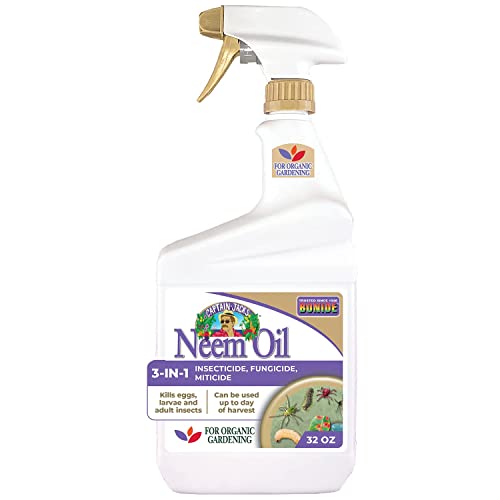
Bonide Captain Jack's Neem Oil, 32 oz Ready-to-Use Spray, Multi-Purpose Fungicide, Insecticide and Miticide for Organic Gardening
- Multi-Purpose Pest Control: Fungicide, miticide, and insecticide in one
- Ready-to-Use Spray: Convenient spray nozzle for easy application
- Kills All Insect Stages: Targets eggs, larvae, and adults
As an affiliate, we earn on qualifying purchases.
As an affiliate, we earn on qualifying purchases.
Frequently Asked Questions
How Can I Identify Different Indoor Garden Pests?
You can identify indoor garden pests by observing common pest identification signs like tiny insects, webbing, or holes in leaves. Look for pest damage symptoms such as yellowing, wilting, or stunted growth. Regularly inspect your plants closely, especially the undersides of leaves, and compare what you see to images or descriptions of common pests. Prompt identification helps you take quick action to protect your indoor garden effectively.
Are Natural Remedies Effective Against All Pests?
Natural remedies can be effective against many pests, but they don’t always work for all. Beneficial insects, like ladybugs, can help naturally control pests, while homemade sprays with ingredients like neem oil or garlic may deter or eliminate some pests. However, for stubborn infestations, you might need to combine natural methods with other strategies or consider targeted treatments to protect your indoor garden effectively.
What Are the Best Quarantine Practices for New Plants?
Think of your new plant as a treasure needing protection. You should isolate it in a separate space for at least two weeks, monitoring for signs of pests or disease. Use plant quarantine practices like inspecting leaves, avoiding direct contact with other plants, and maintaining proper humidity. These pest prevention strategies act as your shield, ensuring your garden stays healthy and pest-free while you nurture your new green treasure.
How Often Should I Inspect My Indoor Garden for Pests?
You should inspect your indoor garden at least once a week for pest prevention. Regular inspection frequency helps you catch pests early before they cause significant damage. Look closely at leaves, stems, and soil for signs of pests or eggs. Staying vigilant and maintaining a routine guarantees you catch infestations early, making pest prevention more manageable and keeping your plants healthy and thriving.
Can Pests Spread Between Indoor and Outdoor Gardens?
Yes, pests can spread between indoor and outdoor gardens through pest transmission and outdoor insect migration. You should be vigilant, especially if you move plants between environments. Keep an eye out for signs of pests when changing plants, and consider quarantining new plants before introducing them to your indoor garden. Regular inspections and proper maintenance help minimize the risk of pest migration and keep your garden healthy.

Garlic Barrier Liquid Garlic Insect Repellent Concentrate, 1 Gallon – OMRI Listed Garlic-Based Formula for Farms, Crops, Gardens & Greenhouses – Indoor & Outdoor Plant Protection
- Commercial-Strength Garlic Extract: Highly concentrated liquid garlic for large areas
- Versatile Plant Use: Suitable for farms, gardens, and greenhouses
- Large Area Coverage: Dilutes for extensive planting zones
As an affiliate, we earn on qualifying purchases.
As an affiliate, we earn on qualifying purchases.
Conclusion
By following these pest prevention tips, you can keep your indoor garden healthy and thriving. Did you know that indoor plants can reduce stress and improve air quality? With over 80% of plant owners reporting fewer pests when they maintain proper care, it’s clear that proactive prevention works. Stay vigilant, inspect regularly, and keep your garden clean—your plants will thank you with vibrant growth and beauty. Enjoy your pest-free indoor gardening journey!

SEEKO Succulents Plants Artificial Unpotted – 28 Pack Fake Plants Set
- Pack Includes 28 Artificial Succulents: Echeveria, aloe, string of pearls
- Realistic Faux Succulents: Look and feel like real plants
- Low Maintenance Decor: No water or sunlight needed
As an affiliate, we earn on qualifying purchases.
As an affiliate, we earn on qualifying purchases.
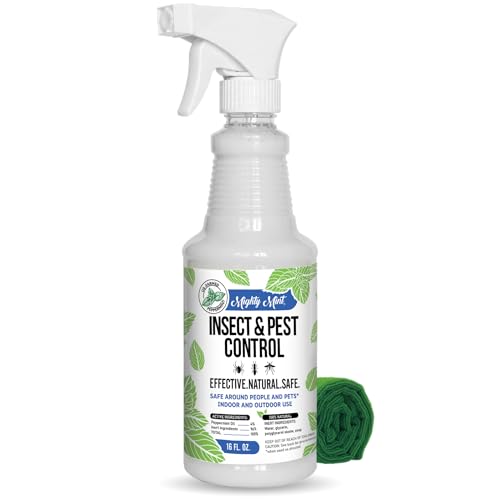
Mighty Mint Peppermint Oil Insect Repellent Spray, 16 oz
- Pet and Family Safe: Safe around dogs, cats, and kids
- Plant-Based Pest Control: Contains concentrated peppermint oil
- Indoor & Outdoor Use: Suitable for various surfaces and areas
As an affiliate, we earn on qualifying purchases.
As an affiliate, we earn on qualifying purchases.