
TL;DR
Search interest in repurposing fallen acorns and pinecones is increasing. Gardeners are discovering their usefulness for crafts, mulch, and wildlife support, prompting a shift from disposal to reuse.
Search interest in getting rid of fallen acorns and pinecones has surged as more gardeners and homeowners discover their potential uses. Previously considered yard debris to be discarded, these natural materials are now being recognized for their value in crafts, mulch, and supporting local wildlife, according to recent trend signals.

Get garden gear delivered free with Prime
- Fast, free delivery on millions of items
- Prime Video, Amazon Music and more included
- Member-only deals all year
Historically, many homeowners and gardeners viewed acorns and pinecones as nuisances, often removing or disposing of them to keep lawns tidy. However, recent online searches and social media discussions indicate a growing awareness of their potential benefits. Experts and hobbyists are sharing ideas for repurposing these natural items, emphasizing eco-friendly practices and creative projects.
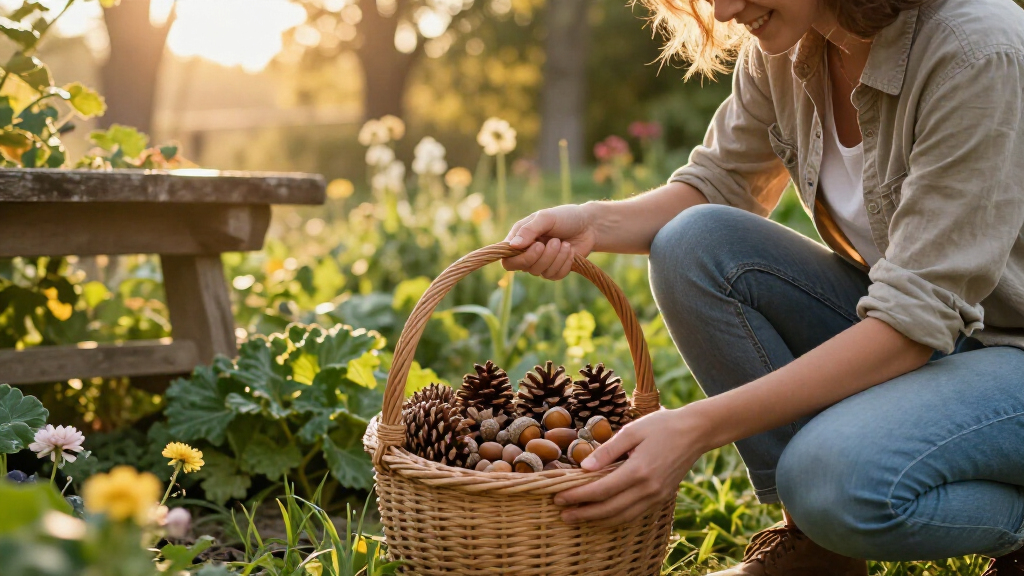
While the trend is still emerging, the interest appears to be driven by a combination of environmental consciousness and the rising popularity of DIY gardening and craft activities. Some gardeners report using pinecones for natural mulch, which can help retain soil moisture and suppress weeds, while acorns are being repurposed for decorative crafts or composting.
It is important to note that this shift in attitude is based on trend signals and anecdotal reports; there is no formal scientific endorsement or large-scale study confirming the benefits of repurposing acorns and pinecones. Nonetheless, the trend reflects a broader movement toward sustainable yard management and creative reuse of natural materials.
Environmental and Practical Benefits of Reusing Fallen Natural Materials
This trend highlights a shift toward more sustainable yard management practices. By repurposing acorns and pinecones, homeowners can reduce waste, minimize disposal costs, and support local ecosystems. Using these materials as mulch or craft supplies can also promote eco-friendly habits and foster community sharing of ideas. If widely adopted, this could lead to a broader reduction in yard waste and more environmentally conscious gardening practices.
Products Worth Considering

EGO Power+ Electric Lawn Mower, Cordless Push, includes 56V 4.0Ah battery and charger

Traeger Tailgater 20 Portable Wood Pellet Grill & Smoker

AMERLIFE 10 x 12 ft Polycarbonate Greenhouse with 4 Roof Vents
As an affiliate, we earn on qualifying purchases.
Growing Interest in Eco-Friendly Yard Practices
The practice of discarding fallen acorns and pinecones has been standard for decades, often viewed as yard clutter. Recently, however, the environmental movement and interest in DIY projects have encouraged people to reconsider these natural materials. Social media platforms and gardening forums are increasingly filled with tips and tutorials on how to use acorns and pinecones creatively and sustainably.
This trend aligns with broader efforts to reduce waste and promote ecological gardening. It is also influenced by the rising popularity of natural decor and eco-conscious landscaping, which emphasize using local, biodegradable materials instead of synthetic products.
While the trend is still in its early stages, it reflects a wider cultural shift toward appreciating and utilizing natural yard debris rather than simply removing it.
Unconfirmed Benefits and Long-Term Impact
While anecdotal reports and early observations suggest benefits, scientific research on the ecological or practical advantages of large-scale repurposing of acorns and pinecones is limited. The effects on soil health, wildlife, and pest management require further study. Additionally, some acorns may harbor pests or diseases if not properly processed, which could pose risks.
Monitoring Trends and Conducting Scientific Studies
Researchers and environmental organizations are expected to observe the evolving interest in repurposing natural yard debris. Future research may focus on ecological impacts, best practices, and potential risks associated with using acorns and pinecones in gardening. Meanwhile, gardening communities will likely continue sharing experiences and developing guidelines based on ongoing experimentation.
Key Questions
Are pinecones safe to use as mulch?
Generally, pinecones are safe to use as mulch if they are shredded or broken down to facilitate decomposition. Avoid using pinecones that show signs of pest infestation or mold.
Can acorns be composted safely?
Yes, acorns can be composted, but they decompose slowly and may attract pests if not processed properly. Crushing or chopping them before composting can help speed up the process.
Do acorns and pinecones provide any ecological benefits?
They can serve as habitat for wildlife such as birds and insects, and when used as mulch, they help conserve soil moisture and suppress weeds. Scientific evidence on their broader ecological benefits remains limited.
Are there any risks associated with using acorns or pinecones in the garden?
Potential risks include harboring pests or diseases, especially if acorns are moldy or infested. Pinecones may also harbor pests if not properly cleaned or shredded.
Source: rss