TL;DR
Overwatering is a common cause of houseplant death, but proper watering and drainage can reverse damage. Experts recommend thorough watering and checking roots for rot. This guide explains how to revive and maintain healthy houseplants.
Overwatering is the leading cause of houseplant decline, according to experts, and many plants die because owners mistakenly water too often or fail to ensure proper drainage. Learning how to water correctly can reverse damage and improve plant health.
Plant expert Jesse Waldman from Pistils Nursery emphasizes that overwatering causes roots to rot, leading to plant death. He advises removing plants from their pots to inspect roots—black or mushy roots indicate rot—and pruning affected areas before repotting in well-draining soil.
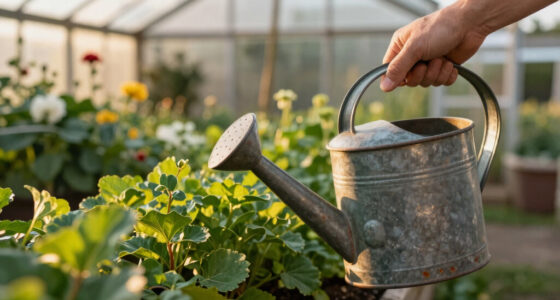
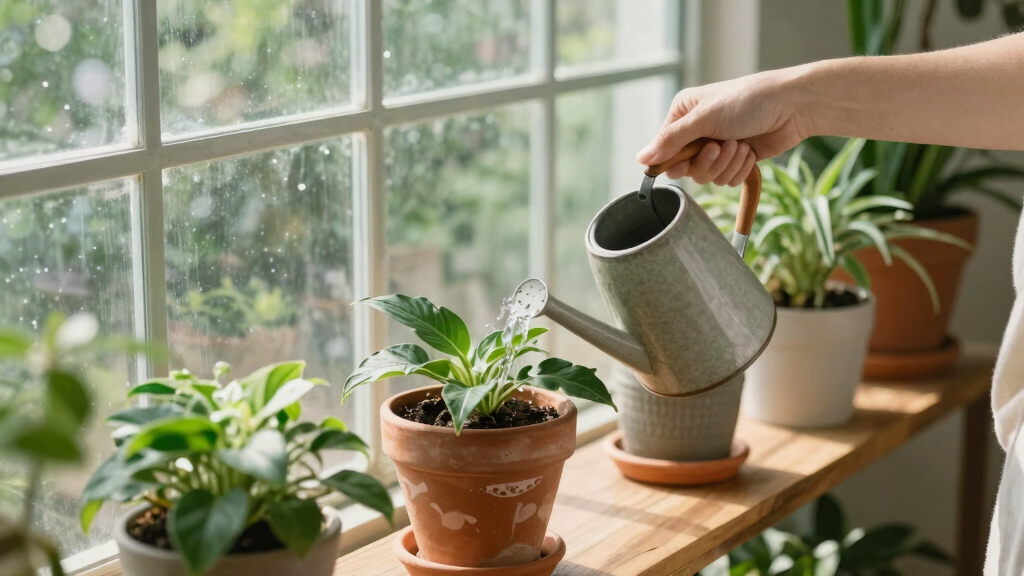
Effective watering involves thoroughly soaking the soil until water drains out of the pot’s bottom, flushing out salts and minerals buildup. Using planters with drainage holes and a tray underneath helps control excess water and prevents root rot. Waldman recommends watering only when the soil feels dry to the touch, considering light and pot size.
While top watering is common, bottom watering can be effective for some plants, allowing roots to absorb water through drainage holes. However, plants like fiddle leaf figs require proper drainage and should not be kept in stagnant water. Some plants, including succulents, tolerate no drainage but need careful watering.
Why Proper Watering Is Critical for Houseplant Survival
This guidance is vital because overwatering is a widespread mistake that leads to root rot and plant death. Correct watering techniques and understanding drainage can save plants and improve indoor gardening success for amateurs and enthusiasts alike.

1.8L Watering Can, Small Watering Can for Indoor Plants with Long Spout
- Customizable Water Flow: Detachable shower nozzle for different spray modes
- Long Reach Spout: 14-inch thin spout for precise watering
- Large Capacity: 1.8L water storage for less frequent refills
As an affiliate, we earn on qualifying purchases.
As an affiliate, we earn on qualifying purchases.
Houseplant Care: Common Mistakes and Solutions
Many houseplant owners struggle with watering properly, often watering too frequently or using inappropriate containers. Overwatering causes roots to rot, which is a leading cause of plant decline. Experts have long emphasized the importance of drainage and proper watering schedules to maintain healthy plants.
Recent advice from industry professionals underscores that inspecting roots and ensuring good drainage are key steps in reversing damage from overwatering. This approach aligns with longstanding horticultural principles but is gaining renewed attention in popular indoor gardening.
“Overwatering is the easiest way to kill a houseplant. Roots rot, and the plant can’t take up water or nutrients.”
— Jesse Waldman, Pistils Nursery

Plant Pots Indoor with Drainage, 5 Pack Multi-Size Planters Set, White
- Set of 5 White Plastic Pots: Indoor and outdoor use
- Multiple Sizes Included: 5 different sizes with matching saucers
- Durable Reinforced Plastic: Suitable for real and artificial plants
As an affiliate, we earn on qualifying purchases.
As an affiliate, we earn on qualifying purchases.
Uncertainties About Water Quality and Long-term Effects
There is ongoing debate about the impact of tap water additives like chlorine and fluoride on houseplants, with some experts suggesting they may affect plant health over time. The effectiveness of certain drainage techniques, such as adding pebbles or burlap layers, remains debated among horticulturists, with no definitive consensus on their benefits.
Additionally, how specific plant species respond to various watering practices and soil conditions continues to be studied, leaving some best practices still under discussion.
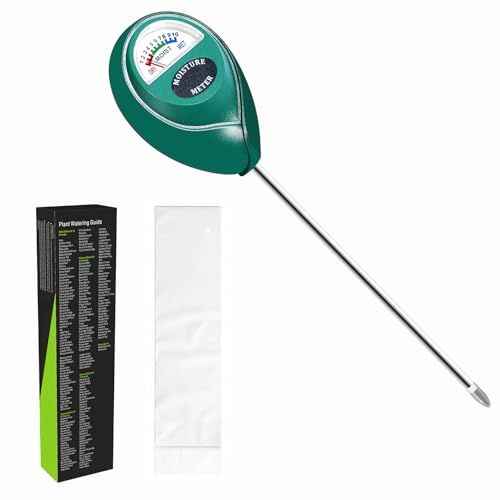
XLUX Plant Soil Moisture Meter, for Indoor and Outdoor use, Battery-Free
- Trusted Since 2015: Reliable and accurate soil moisture measurement
- No Batteries Needed: Instant readings with high-sensitivity probe
- Deep Root Zone Measurement: Reaches soil root zone for accurate moisture levels
As an affiliate, we earn on qualifying purchases.
As an affiliate, we earn on qualifying purchases.
Next Steps for Houseplant Care and Education
Plant owners should implement expert watering techniques, regularly inspect roots, and use well-draining containers to prevent overwatering. Ongoing research and expert advice will refine best practices, and future guidance may include more specific recommendations for different plant types and water quality considerations.
Additionally, educational resources and workshops are expected to increase awareness about proper watering, helping reduce plant loss due to common mistakes.
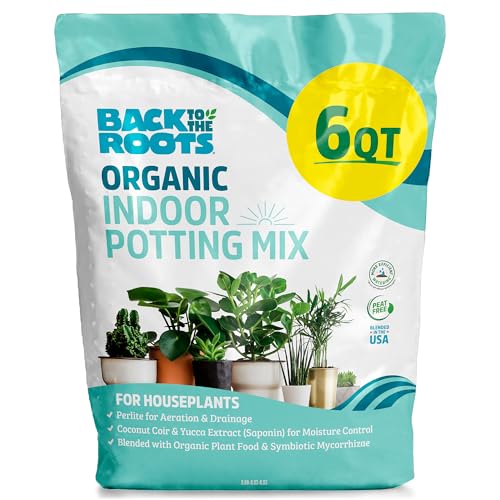
Back to the Roots 100% Organic Indoor Potting Mix (6 Quart), Promotes Healthy Houseplant Growth, Made in The USA
- Package Size: 6 Quart of potting mix
- Moisture Retention: Contains organic yucca extract
- Root Development: Includes root-boosting mycorrhizae
As an affiliate, we earn on qualifying purchases.
As an affiliate, we earn on qualifying purchases.
Key Questions
How can I tell if my houseplant is overwatered?
Signs include yellowing leaves, brown tips, mushy stems, and roots that are black or brown and mushy upon inspection. Soil that remains constantly wet or pulling away from the rim also indicates overwatering.
Can I save a plant with root rot?
Yes, if the roots are only partially affected, you can prune away rotted roots, repot in fresh, well-draining soil, and adjust watering habits. However, extensive root rot may be fatal.
What type of planter should I use?
Use containers with drainage holes and a tray underneath. Avoid non-draining pots, and consider adding a layer of gravel or burlap to improve drainage if needed.
How often should I water my houseplants?
Water only when the top inch of soil feels dry, which varies depending on the plant, pot size, and environment. Deep, infrequent watering is generally better than frequent shallow watering.
Is filtered or distilled water better for houseplants?
While some experts prefer filtered or distilled water to avoid chemical buildup, most houseplants tolerate tap water if allowed to sit for 24 hours to dissipate chlorine. The key is consistent, appropriate watering rather than water type alone.
Source: Architectural Digest