
TL;DR
Bare spots in lawns can result from various issues like poor soil, debris, or pests. This article offers confirmed strategies for diagnosing and repairing these patches effectively.
Bare patches in lawns are common and can be caused by multiple factors, but they are fixable with proper diagnosis and treatment. This guide outlines confirmed methods to repair bare spots, helping homeowners restore a lush, healthy yard.
Bare spots in lawns often result from issues such as poor soil conditions, buried debris, improper mowing, fungal infections, insect pests, drought, or animal activity. To address these, homeowners should first identify the underlying cause through inspection and soil testing. Once diagnosed, solutions include soil amendments, dethatching, pest control, and reseeding.
For example, testing soil pH and nutrients can reveal deficiencies that, once corrected, promote healthy grass growth. Removing debris and properly mowing with sharp blades help prevent further damage. Addressing pests like grubs or chinch bugs may require targeted insecticides. Reseeding bare patches with appropriate grass seed for the local climate and conditions is the final step for a uniform, green lawn.
Why Fixing Bare Spots Is Important for Lawn Health
Maintaining a uniform, green lawn enhances curb appeal and property value. Addressing bare patches promptly prevents weed invasion, soil erosion, and pest infestations, saving homeowners time and money in the long run. Proper lawn care also promotes healthier grass that can withstand drought and disease better, ensuring a durable, attractive yard.
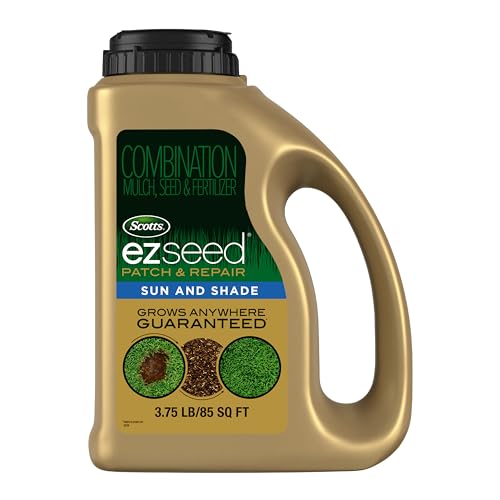
Scotts EZ Seed Patch & Repair for Sun and Shade, 3.75 lbs.
- Optimal Application Temperature: 60°F to 80°F for best germination
- Patch & Repair Solution: Fills bare spots and repairs lawns
- Coverage Area: Covers up to 85 sq. ft.
As an affiliate, we earn on qualifying purchases.
As an affiliate, we earn on qualifying purchases.
Common Causes and Past Lawn Repair Challenges
Bare patches have been a persistent issue for homeowners, often caused by soil deficiencies, pests, or environmental stressors. Previous approaches focused on reseeding alone, which often failed without addressing underlying problems like soil pH imbalance or pest infestations. Recent advancements emphasize integrated diagnosis and treatment, improving success rates.
“Identifying the root cause of bare patches is essential; simply reseeding without fixing underlying issues often leads to failure.”
— John Smith, lawn care expert

MySoil Soil Test Kit, Unlock Your Lawn & Garden Potential, Complete & Accurate Nutrient and pH Analysis with Recommendations Tailored to Your Soil and Plant Needs
- Professional Soil Testing Kit: Accurately measures nutrients and pH
- Fast Results: Receive analysis in 6-8 days
- Versatile Use: Suitable for lawns, gardens, and more
As an affiliate, we earn on qualifying purchases.
As an affiliate, we earn on qualifying purchases.
Remaining Questions About Long-Term Lawn Repair Success
While the recommended steps are effective, it is still unclear how different grass types and local conditions may influence success rates. The effectiveness of certain pest control or soil amendments may vary, and some homeowners may experience different results based on their specific lawn conditions.

BioAdvanced Season Long Grub Control Granules – 10 lb Bag
- Grub and Insect Killer: Kills grubs and lawn pests
- Season-Long Protection: Provides all-season control with one application
- Broad Spectrum Insect Control: Targets 40+ lawn damaging insects
As an affiliate, we earn on qualifying purchases.
As an affiliate, we earn on qualifying purchases.
Next Steps for Homeowners Facing Lawn Bare Spots
Homeowners should start by inspecting their lawns, performing soil tests, and identifying visible signs of pests or disease. Implementing targeted treatments followed by reseeding will improve results. Monitoring lawn conditions and adjusting care practices over time will help maintain a healthy, uniform yard. Consulting local lawn care professionals can provide tailored advice for persistent issues.

Walensee Thatch Rake for Lawn, 15-Inch Dethatcher Rake with Adjustable Sectional Handle, Heavy Duty Steel Lawn Rake for Removing Dead Grass, Efficient Grass Dethatching Tool for Yard and Garden
- 【Dual-Sided 19-Tine Head for Dethatching & Cultivating】:This dethatcher…
- 【3 Adjustable Lengths for Greater Comfort】:This dethatch rake…
- 【Promote Lawn Health & Seasonal Cleanup】:The Walensee Thatch…
As an affiliate, we earn on qualifying purchases.
As an affiliate, we earn on qualifying purchases.
Key Questions
How do I identify the cause of bare spots in my lawn?
Examine the patches for signs of pests, disease, or debris, and perform a soil test to check pH and nutrient levels. Look for patterns related to foot traffic or animal activity.
What is the best way to reseed bare patches?
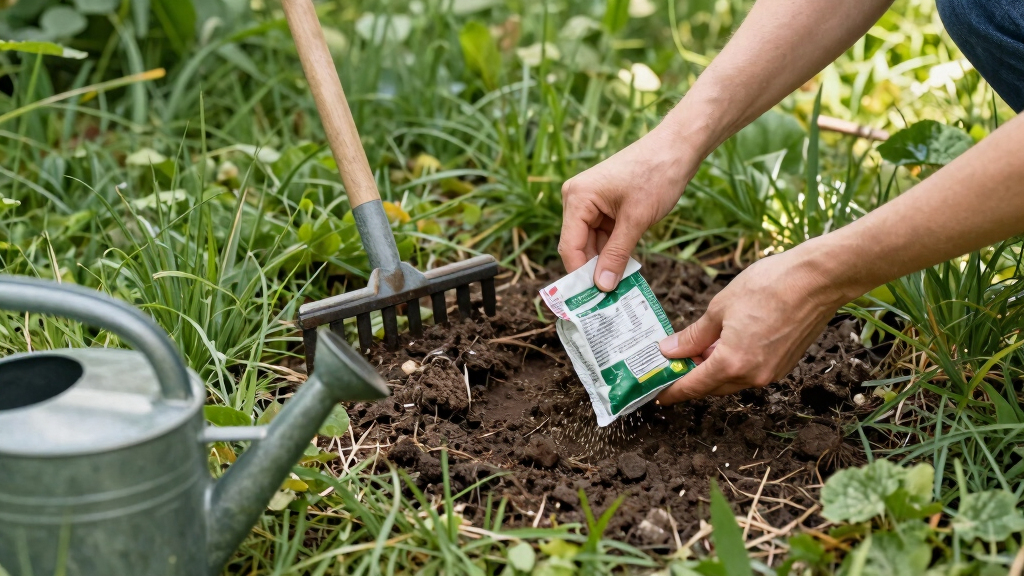
Choose a grass seed suitable for your climate and sunlight conditions, loosen the soil, remove debris, and apply seed evenly. Keep the area moist until the new grass is established.
Can I fix bare spots without professional help?
Yes, many homeowners can diagnose and treat common causes like soil deficiencies, pests, or overgrowth with proper guidance and tools. However, persistent problems may require professional assessment.
How long does it take for reseeded patches to fill in?
Typically, new grass will begin to establish within 2-3 weeks, but full coverage can take 6-8 weeks depending on grass type and growing conditions.
Are chemical treatments safe for pets and children?
When used according to label instructions, most lawn chemicals are safe. Always follow safety precautions, especially around pets and children, and consider organic options when possible.
Source: Bob Vila