
TL;DR

Get garden gear delivered free with Prime
- Fast, free delivery on millions of items
- Prime Video, Amazon Music and more included
- Member-only deals all year
A report published by Greenhouse Grower, drawing on an article from greenhouse technology company Priva, outlines steps growers can take to protect operational data. The recommendations include building security into systems before deployment, limiting access, using multi-factor authentication and maintaining updates and management processes.
Greenhouse Grower has published guidance from Priva on protecting data as greenhouse businesses rely more on connected equipment, cloud platforms and real-time operational information. The report recommends building security into technology before deployment, restricting access to data and using multi-factor authentication as part of a broader cybersecurity program.
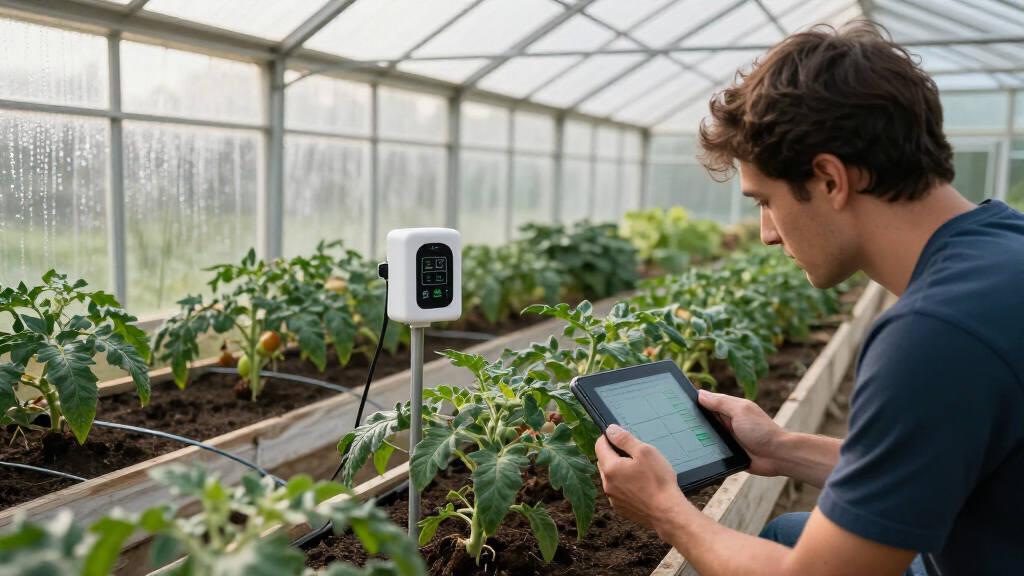
The report describes how digital tools now support greenhouse functions including climate control, irrigation and crop performance analytics. These systems generate and store operational data, making information security part of day-to-day production management. A security problem could create business risk, though the report does not describe a specific breach or quantify possible losses.
Priva says security should be considered during the development of hardware, software and cloud-based services, rather than added only after systems are in use. Addressing vulnerabilities before commercial deployment can help reduce exposure, according to the company’s guidance. The report does not identify particular products or technical testing standards.
For systems already in operation, the recommendations include controlling who can access data, granting permissions only to people who need them, and using multi-factor authentication (MFA). The report also points to ongoing updates and established management processes as components of a secure operating foundation.
Security Now Affects Greenhouse Operations
Greenhouse operators increasingly depend on digital systems to manage conditions and track production. That reliance means cybersecurity is connected to operational resilience, not only to protecting files or accounts. Unauthorized access or disruption could put important information or connected workflows at risk; the source, however, does not document an incident or establish how often such disruptions occur.
The advice is relevant to growers evaluating new equipment as well as those managing existing platforms. Considering security before purchasing or deploying systems may make it easier to ask vendors about development practices, access controls and updates. Within a business, limiting permissions and adopting MFA can reduce avoidable access risks, while clear procedures help staff manage accounts and information consistently.
These measures are presented as a combined approach rather than a guarantee against every threat. Secure technology, user controls, updates and management practices all contribute to the protections described by Priva. The report offers general recommendations, not a formal audit, incident response plan or guarantee of protection.
multi-factor authentication hardware token
As an affiliate, we earn on qualifying purchases.
As an affiliate, we earn on qualifying purchases.
Connected Systems Expand Data Use
The report’s focus reflects a broader change in greenhouse management: operations use more connected technology and real-time data than before. Climate and irrigation controls, cloud services and crop analytics can support production decisions, but they also make data handling and account security part of the operation.
The source material is a Greenhouse Grower report based on an article from Priva, a greenhouse technology company. It provides practical cybersecurity guidance rather than reporting a newly disclosed attack, regulation or product launch. No incident date, affected greenhouse, system vulnerability or independent study is cited in the supplied material.
“Security begins during the development phase of hardware, software, and cloud-based solutions.”
— Priva, as quoted in the Greenhouse Grower report
As an affiliate, we earn on qualifying purchases.
No Incident or Risk Figures Provided
The report does not identify a specific cyberattack, data breach or vulnerability affecting a greenhouse business. It also provides no figures on the frequency or financial impact of cyber incidents, and no comparison of security tools or their effectiveness. Readers should treat the recommendations as general guidance attributed to Priva, not as evidence that a particular threat is occurring or that any one measure prevents all attacks.
The supplied material does not specify which greenhouse systems or data types are most exposed, how often updates should be installed, or what access-control configuration businesses should use. It also does not describe independent verification of Priva’s recommendations or provide a detailed implementation checklist.
access control systems for greenhouse data
As an affiliate, we earn on qualifying purchases.
As an affiliate, we earn on qualifying purchases.
Growers Can Review Existing Controls
The report points growers toward reviewing security across both new and existing systems. Practical next steps based on its guidance include asking technology providers how security is built into products, checking who has access to operational data, enabling MFA where available and establishing processes for updates and account management.
No further publication, deadline or policy change is announced in the source material. The guidance does not set a timetable for action; growers’ next steps will depend on their equipment, service providers and internal procedures.
cloud security for greenhouse management
As an affiliate, we earn on qualifying purchases.
As an affiliate, we earn on qualifying purchases.
Key Questions
What is the report about?
It summarizes Priva’s guidance on protecting data in greenhouse operations that use connected equipment, cloud services and real-time management tools.
What does Priva recommend for greenhouse cybersecurity?
The recommendations include addressing security during technology development, limiting data access to people who need it, using multi-factor authentication, keeping systems updated and maintaining management processes.
Does the report describe a greenhouse cyberattack?
No. The supplied report gives general cybersecurity guidance and does not identify a specific attack, affected business or confirmed vulnerability.
Does multi-factor authentication guarantee data protection?
No such guarantee is made. The report describes MFA as an added layer of protection and presents it alongside access controls, secure technology, updates and management practices.
What should growers do next?
They can review who has access to operational data, check whether MFA is available, ask technology providers about security practices and establish processes for software updates and account management.
Source: rss
Halloween Picks
halloween
As an affiliate, we earn on qualifying purchases.