TL;DR
Gardeners are advised to postpone cutting back five popular perennials until spring to maximize multi-season interest. This trend is gaining attention amid growing interest in year-round garden aesthetics.
Impacts of Leaving Perennials Through Winter
This trend could reshape traditional garden cleanup routines, promoting more sustainable, wildlife-friendly landscapes. Delaying cutbacks may enhance garden aesthetics across multiple seasons, attract pollinators during winter, and reduce labor. However, it also raises questions about plant health, disease risk, and regional suitability, prompting gardeners to weigh benefits against potential drawbacks.As an affiliate, we earn on qualifying purchases.
Growing Interest in Multi-Season Garden Design
The practice of leaving perennials uncut through fall and winter aligns with a broader movement toward sustainable gardening and wildlife conservation. Historically, gardeners have cut back perennials in autumn to tidy beds and prevent disease, but recent discussions highlight the ecological and aesthetic advantages of leaving plants standing. The trend is gaining traction partly due to social media, gardening forums, and environmental awareness, though formal guidelines are still developing. The specific recommendation to delay cutbacks on five key perennials is relatively new and reflects evolving understanding of plant care and landscape design.wildlife-friendly perennial plants
As an affiliate, we earn on qualifying purchases.
As an affiliate, we earn on qualifying purchases.
Unclear Which Perennials Benefit Most
It is not yet confirmed which specific five perennials are most recommended for this delayed removal practice. Details on regional suitability, timing, and potential risks are still emerging, and expert opinions vary. Further research and guidance are needed to establish best practices for different climates and plant varieties.As an affiliate, we earn on qualifying purchases.
Monitoring Garden Outcomes and Expert Guidance
Gardeners are encouraged to observe how leaving perennials uncut through winter affects their plants and landscape. As more horticultural research and expert recommendations become available, guidelines will likely be refined. Garden centers and extension services may soon provide clearer advice on timing and plant selection. The trend is expected to continue gaining momentum among eco-conscious gardeners seeking year-round interest and wildlife support.pollinator habitat garden supplies
As an affiliate, we earn on qualifying purchases.
As an affiliate, we earn on qualifying purchases.
Key Questions
Which perennials are best left uncut in fall?
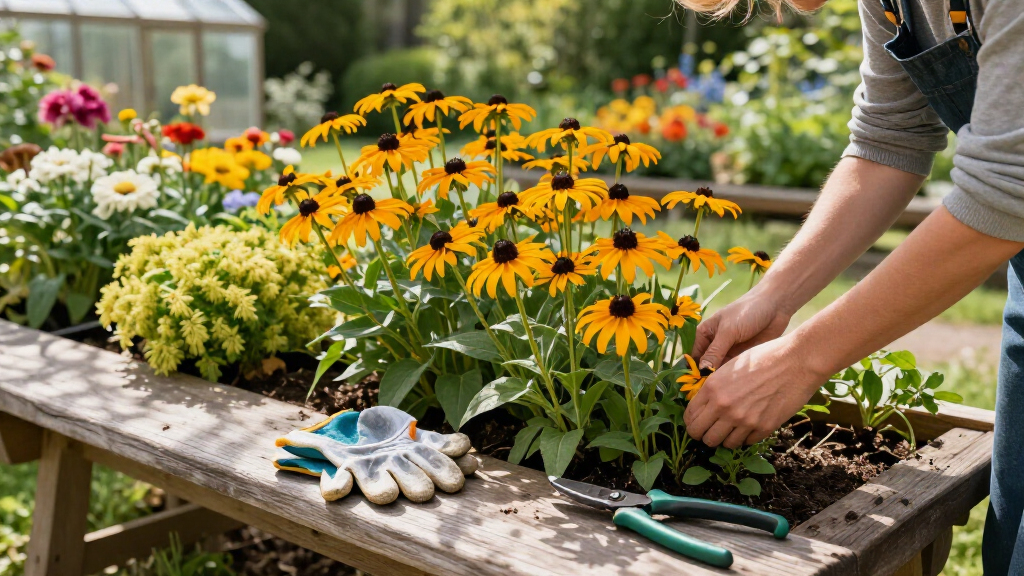
While specific recommendations vary, popular choices include coneflowers, black-eyed Susans, sedums, and other late-season perennials that provide visual interest and ecological benefits during winter.
Are there risks to leaving perennials uncut over winter?
Potential risks include disease development, excessive debris, or damage in regions with severe winter weather. Regional climate and plant health should be considered before delaying cutbacks.
How long should I leave perennials uncut?
Most experts suggest leaving plants standing through late fall and winter, removing them in early spring before new growth begins. Regional climate influences the optimal timing.
Does leaving perennials uncut attract wildlife?
Yes, standing perennials can provide habitat and food sources for pollinators and birds during winter months, supporting local biodiversity.
Is this trend suitable for all garden types?
No, regional climate, plant species, and garden design influence the suitability. Gardeners should consult local experts or extension services for tailored advice.
Source: rss