
TL;DR
Cinder blocks, traditionally viewed negatively, are emerging as a popular, affordable container gardening alternative. They cost less than $3 each and offer durability and versatility, challenging common misconceptions.
Cinder blocks are gaining recognition as an affordable and effective option for container gardening, despite their often negative reputation. This development highlights a cost-effective alternative for gardeners looking to maximize space and durability at a low cost.
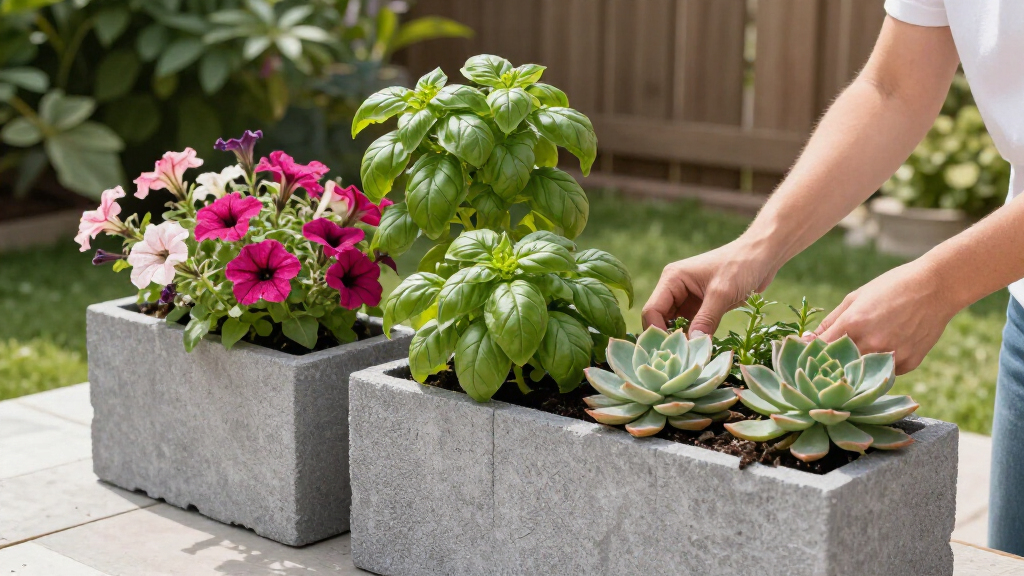
Traditionally, cinder blocks have been criticized for their appearance and potential chemical concerns, but recent gardening trends show they are being widely adopted as container planters. Each cinder block costs less than $3, making them an accessible choice for budget-conscious gardeners and urban growers.
Manufacturers and gardening experts emphasize their durability, versatility, and ease of customization. Gardeners have used cinder blocks to create raised beds, vertical gardens, and decorative features, transforming their spaces efficiently and affordably.
Many users report that cinder blocks are long-lasting, weather-resistant, and simple to modify with paint or plant-specific inserts. These qualities challenge the stigma that has long surrounded their use in gardening contexts.
Why Reconsidering Cinder Blocks Changes Urban Gardening
This shift in perception could make gardening more accessible to urban residents and those with limited budgets. The affordability (less than $3 per block) and durability of cinder blocks may encourage more people to start their own gardens, promoting sustainability and local food production.
Additionally, this trend highlights how rethinking common building materials can lead to innovative, environmentally friendly gardening solutions, reducing reliance on expensive or plastic-based containers.
cinder block garden planters
As an affiliate, we earn on qualifying purchases.
As an affiliate, we earn on qualifying purchases.
Historical Use and Misconceptions of Cinder Blocks in Gardening
Cinder blocks have been used in construction for decades, often associated with industrial or utilitarian structures. Their use in gardening has been limited due to perceptions of their appearance and concerns over potential chemical leaching. However, recent DIY projects and gardening communities have begun to challenge these notions, showcasing their potential as affordable, durable planters.
Earlier criticisms focused on aesthetic issues and the belief that cinder blocks could contain harmful substances, but modern manufacturing processes and safe use practices have largely addressed these concerns.
“I never thought cinder blocks could be so versatile and inexpensive for my garden. They’re durable and easy to customize, and I’ve saved a lot compared to buying traditional planters.”
— Jane Doe, urban gardener
outdoor cinder block containers
As an affiliate, we earn on qualifying purchases.
As an affiliate, we earn on qualifying purchases.
Remaining Questions About Long-Term Use and Safety
It is not yet clear whether prolonged exposure to outdoor elements could cause chemical leaching from cinder blocks, especially if they are not treated or sealed properly. Additionally, there is limited data on how different types of cinder blocks perform over time in various climates.
Further research is needed to confirm safety and durability for long-term gardening use, particularly in edible gardening contexts.
raised garden bed cinder blocks
As an affiliate, we earn on qualifying purchases.
As an affiliate, we earn on qualifying purchases.
Potential for Broader Adoption and Further Research
As more gardeners experiment with cinder blocks, there may be increased interest in formal testing of their safety and performance. Manufacturers might also develop specially coated or treated blocks designed specifically for gardening applications.
Expect ongoing community-driven projects and possibly more widespread acceptance as a low-cost gardening option in urban and suburban settings.
vertical garden cinder blocks
As an affiliate, we earn on qualifying purchases.
As an affiliate, we earn on qualifying purchases.
Key Questions
Are cinder blocks safe for growing edible plants?
While many consider them safe, long-term safety depends on the type of cinder block and whether it has been sealed or treated. It is advisable to use blocks from reputable sources and consider sealing the interior surfaces.
How do I prepare cinder blocks for gardening?
Clean the blocks thoroughly, seal or paint the interior if desired, and ensure proper drainage by adding gravel or holes if necessary. They can be painted or decorated to improve appearance.
Can cinder blocks withstand different weather conditions?
Yes, cinder blocks are weather-resistant and durable, making them suitable for outdoor use in various climates. However, sealing can enhance longevity and prevent potential chemical leaching.
What are the environmental benefits of using cinder blocks?
Reusing cinder blocks reduces waste and reliance on plastic containers. Their durability means fewer replacements, contributing to sustainability.
Source: rss