
TL;DR
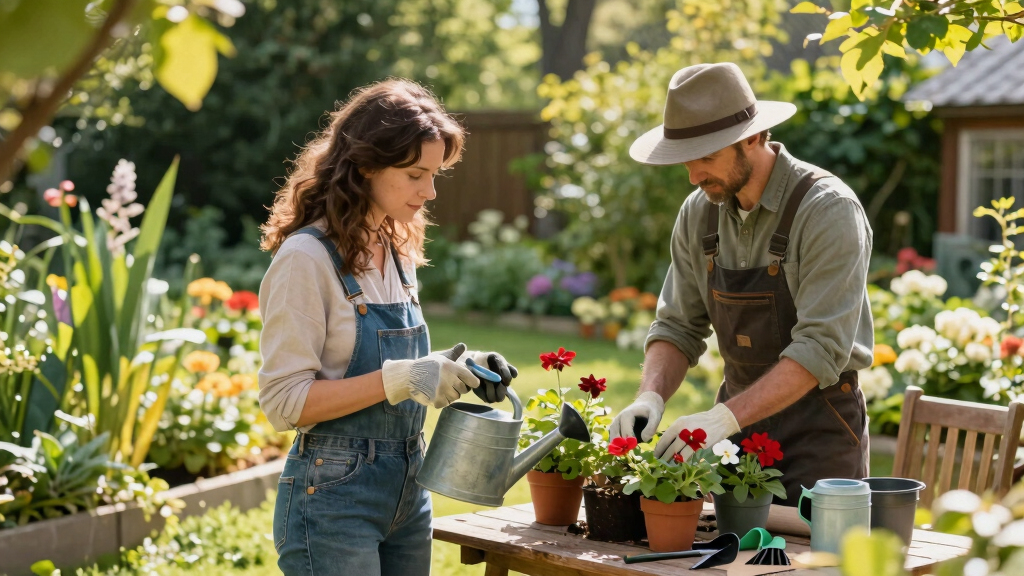
A professional gardener husband advises his wife to be more confident when deadheading plants, emphasizing that most garden plants are resilient and benefit from bold pruning. The advice aims to improve her gardening practices and plant health.
Implications of Confident Pruning for Garden Health
This advice underscores that many gardeners, even experienced ones, often underestimate their plants’ resilience. By adopting more confident pruning techniques, gardeners can promote healthier, more abundant flowering and stronger plants overall. The guidance also highlights that proper pruning not only enhances aesthetics but can improve disease resistance and plant longevity. For amateur gardeners, this advice encourages overcoming fear of damaging plants, leading to more effective garden management and better results. Overall, it promotes a shift toward more assertive, informed gardening practices that can benefit both hobbyists and professionals.garden pruning shears
As an affiliate, we earn on qualifying purchases.
As an affiliate, we earn on qualifying purchases.
Common Cautions and Best Practices in Deadheading
Many gardeners tend to be overly cautious when deadheading, often leaving short stubs or only removing the faded flowers. This cautious approach is rooted in a fear of damaging plants or reducing flowering. However, experienced gardeners, including the husband in this case, advocate for following the flower stem down to the first healthy leaf or side shoot to promote vigorous regrowth. The advice aligns with horticultural principles that most repeat-flowering plants respond well to confident cuts. Exceptions include plants like once-blooming roses and spring bulbs, which require more gentle handling to preserve next year’s flowers. The guidance reflects longstanding horticultural knowledge that plants are generally more resilient than many gardeners assume.“Most plants can handle more aggressive pruning than many gardeners realize, provided cuts are made correctly and with sharp tools.”
— an anonymous researcher
deadheading garden tools
As an affiliate, we earn on qualifying purchases.
As an affiliate, we earn on qualifying purchases.
Unclear if All Gardeners Will Adopt the Advice
It remains to be seen whether amateur gardeners will feel confident enough to implement more aggressive pruning techniques based on this advice. While the husband’s tips are rooted in horticultural best practices, individual comfort levels and plant varieties may influence results. Further guidance or practical demonstrations may be needed to encourage widespread adoption.professional pruning scissors
As an affiliate, we earn on qualifying purchases.
As an affiliate, we earn on qualifying purchases.
Next Steps for Gardeners Considering Confident Pruning
Gardeners are encouraged to gradually increase their confidence in deadheading, starting with less sensitive plants and observing the results. Attending gardening workshops or seeking advice from experienced horticulturists could help reinforce proper techniques. Future discussions or tutorials may focus on specific plant types and tailored pruning strategies to further support gardeners in adopting these practices. Monitoring plant responses over the growing season will help determine the effectiveness of more assertive pruning.sharp garden pruning knife
As an affiliate, we earn on qualifying purchases.
As an affiliate, we earn on qualifying purchases.
Key Questions
Why is deadheading important for plants?
Deadheading encourages plants to produce more flowers, improves appearance, and can prolong the blooming period by redirecting energy from spent flowers to new growth.
How do I know where to cut when deadheading?
Follow the flower stem down to the first healthy leaf or side shoot and cut just above that point. This promotes strong new growth and flowering.
Are there plants I should be cautious with when deadheading?
Yes, plants like once-blooming roses and spring bulbs need gentle handling, as cutting back too far can remove future flowers or damage the plant’s ability to bloom again.
What tools are best for deadheading?
Sharp pruning shears or bypass secateurs are recommended for clean cuts. Dull tools can crush stems and increase disease risk.
Will aggressive pruning harm my plants?
Most healthy, repeat-flowering plants tolerate aggressive pruning if cuts are made correctly. However, some plants are more sensitive and require a gentler approach.
Source: rss