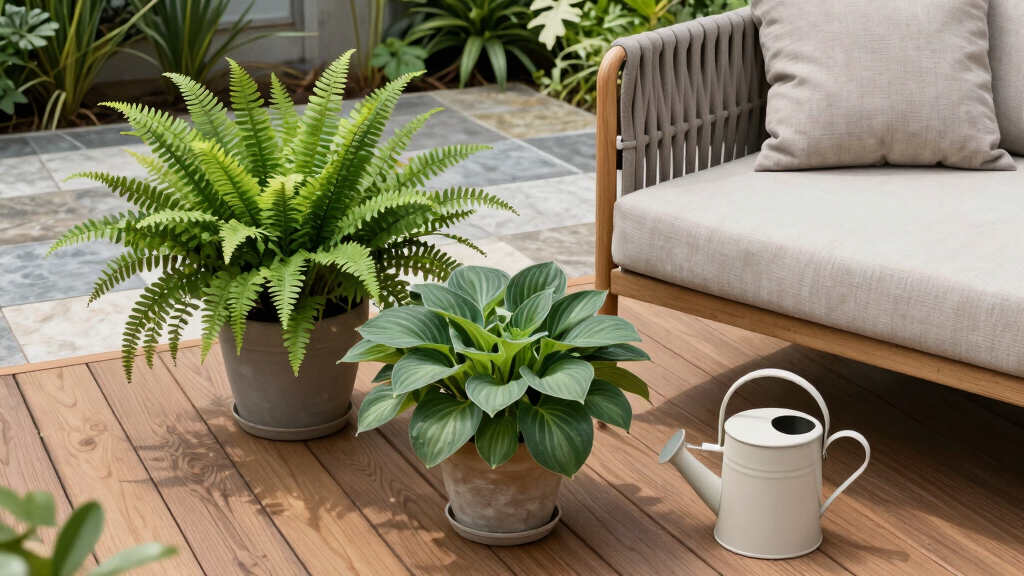
Finding the right plants to thrive in shaded patio areas can transform your outdoor space into a lush retreat. Among the best options are the Mixed Hosta Perennials, which are easy to grow and bloom for months, the Autumn Fern, prized for its striking foliage and air-purifying qualities, and the Blue Hosta Bare Roots, which add a splash of color and attract pollinators. Each offers distinct advantages but also comes with specific limitations, making it important to match your choice to your garden conditions and maintenance preferences.
Key Takeaways
- Hostas are reliable, low-maintenance shade plants that bloom for an extended period.
- Ferns like the Autumn Fern add visual interest and are versatile for both indoor and outdoor shaded areas.
- Shade-tolerant plants can attract wildlife, but some may require specific soil or moisture conditions.
- Choosing between bare root and potted plants impacts planting ease and establishment time.
- Consider plant toxicity and size when selecting shade plants for pet-friendly or compact spaces.
| Mixed Hosta Perennials (6 Pack of Bare Roots) – Hardy Shade Plants |  | Best Overall for Ease and Extended Bloom | Quantity: 6 plants | Type: Hosta Perennials | Growth Height: 18 inches | VIEW LATEST PRICE | See Our Full Breakdown |
| Autumn Fern – 6-Inch Pot – Hardy Shade-Loving Fern for Indoor and Outdoor Gardens |  | Best for Visual Interest and Indoor/Outdoor Versatility | Plant Type: Fern | Pot Size: 6 inches | Hardiness Zone: 5-9 | VIEW LATEST PRICE | See Our Full Breakdown |
| 3 Pack of Blue Hosta Bare Root Plants – Shade-tolerant with Lavender Flowers |  | Best for Color and Butterfly Attraction | VIEW LATEST PRICE | See Our Full Breakdown |
More Details on Our Top Picks
Mixed Hosta Perennials (6 Pack of Bare Roots) – Hardy Shade Plants
This pack of six healthy bare root hostas stands out for their low-maintenance nature and ability to bloom from summer through fall. Compared with similar options, these hostas are more reliable for beginners and offer a generous quantity for multiple shaded spots. However, they may take some time to establish, and their size can vary depending on growing conditions, which could impact garden design. This pick makes the most sense for gardeners seeking a dependable, extended-season perennial that’s easy to care for.
Pros:- Healthy, fresh bare root plants
- Easy to grow and low maintenance
- Blooms for an extended season from summer to fall
Cons:- Limited to shade garden areas
- May take time to establish
- Size can vary depending on growing conditions
Best for: Gardeners wanting a reliable, long-blooming perennial for shaded beds
Not ideal for: Those looking for instant color or plants with specific size requirements
- Quantity:6 plants
- Type:Hosta Perennials
- Growth Height:18 inches
- Planting:Bare roots
- Bloom Season:Summer through Fall
- Guarantee:100% grow guarantee
Our verdict“An excellent choice for beginners and those wanting a reliable, long-lasting shade plant.”
Autumn Fern – 6-Inch Pot – Hardy Shade-Loving Fern for Indoor and Outdoor Gardens
The Autumn Fern offers a lush, textured foliage display with copper-toned and green fronds, making it a striking addition to shaded patios. Its versatility for indoor and outdoor use gives it an edge over purely outdoor plants. Compared to hostas, it has a more delicate appearance but adds a different aesthetic. Its requirement for moist, slightly acidic soil and partial to full shade means it’s best for gardeners prepared to provide consistent moisture. This plant also purifies indoor air, which enhances its appeal for indoor spaces.
Pros:- Beautiful copper-toned and green fronds
- Easy to care for and suitable for indoor/outdoor use
- Air-purifying and mood-boosting benefits
Cons:- Parts are toxic if ingested by humans or pets
- Requires consistently moist, acidic soil
- Limited to shaded, moist locations
Best for: Gardeners looking for a decorative, air-purifying plant that can be kept indoors or out
Not ideal for: Pet owners concerned about toxicity or those with very dry or sunny spots
- Plant Type:Fern
- Pot Size:6 inches
- Hardiness Zone:5-9
- Height:Up to 18 inches
- Light Requirements:Partial to full shade
- Soil:Moist, slightly acidic
Our verdict“A visually appealing fern that enhances shaded spaces but demands specific soil and moisture conditions.”
3 Pack of Blue Hosta Bare Root Plants – Shade-tolerant with Lavender Flowers
This trio of bare root hostas features striking powder blue-green foliage and lavender flowers, making them a colorful addition to shady borders or under trees. They are highly shade-tolerant and attract butterflies and hummingbirds, adding movement and life to your garden. Compared with the first pick, these are more focused on color and pollinator appeal, but limited information is available on their size and specific care needs, which might require some trial and error for optimal growth. They suit gardeners who want a splash of color and insect-friendly plants.
Pros:- Shade-tolerant and versatile for various shady areas
- Produces tall, sturdy stems with attractive foliage
- Lavender flowers attract butterflies and hummingbirds
Cons:- Limited info on size and growth specifics
- No customer ratings or pricing details
- Potentially longer time to establish and bloom
Best for: Gardeners seeking colorful, pollinator-friendly plants for shaded areas
Not ideal for: Those needing detailed care instructions or quick results
Our verdict“Ideal for adding color and attracting pollinators in shaded garden sections, with some uncertainties about growth specifics.”
How We Picked
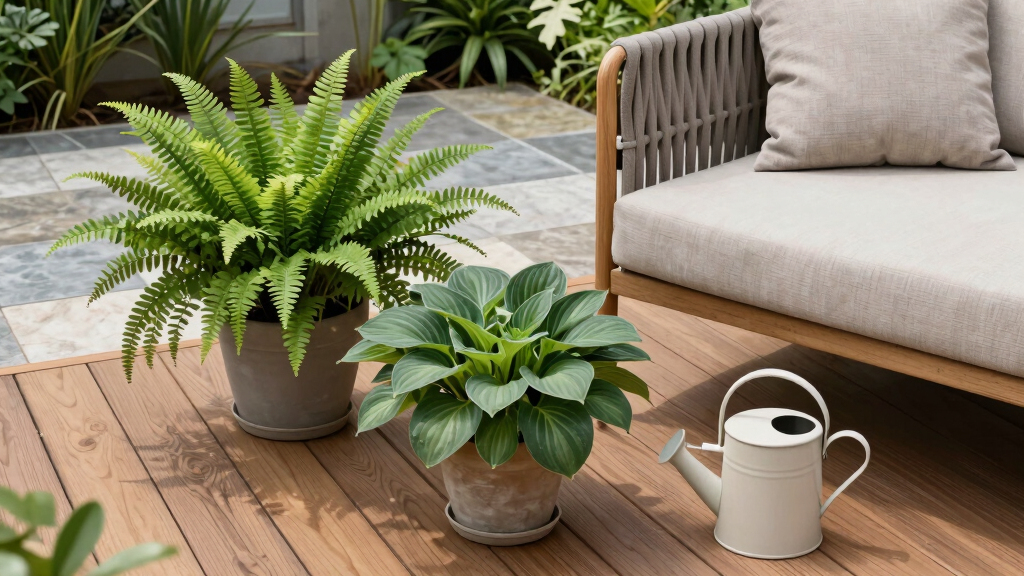
Our selection process focused on plants that thrive in shaded patio environments, emphasizing ease of care, visual appeal, and adaptability. We compared different plant types—perennials like hostas, ferns, and others—based on growth habits, bloom season, maintenance needs, and overall versatility. Our goal was to identify options that balance beauty and practicality, catering to various gardening levels and space constraints.
Factors to Consider When Choosing Best Patio Shade Plants
Choosing the right shade plants for your patio depends on understanding their growth habits, care requirements, and aesthetic appeal. Consider whether you want plants that are low-maintenance, those that add visual interest, or species that attract wildlife. The following sections highlight key factors to match your garden conditions and personal preferences.Plant Type and Growth Habit
Hostas are a classic choice for shade, offering a variety of sizes and leaf colors, while ferns like the Autumn Fern add texture and a lush look. Consider whether you prefer perennial blooms or foliage-focused plants, and how much space you have available. Bare root options tend to establish faster but require some care during initial planting, while potted plants can be easier to integrate into existing beds.
Care and Maintenance
Most shade plants prefer moist, well-drained soil and partial to full shade. Hostas and ferns are generally forgiving, but ferns need consistent moisture and specific soil acidity. Think about how much effort you want to put into watering and soil amendments, as some plants like the Autumn Fern demand more attention to thrive.
Aesthetic and Functional Goals
If your goal is year-round interest, hostas with their extended bloom season are ideal. To add color and attract pollinators, consider the blue hostas or flowering ferns. For air purification or indoor decoration, select plants like the Autumn Fern that can adapt to indoor environments, but be mindful of toxicity concerns.
Frequently Asked Questions
Are hostas suitable for shady patio gardens?
Yes, hostas are among the most popular shade-loving perennials. They thrive in low-light conditions, are easy to care for, and produce attractive foliage and flowers over an extended period. They are especially good for filling in shaded corners and creating lush ground cover, making them a reliable choice for many patio setups.
Can I plant ferns like the Autumn Fern in full sun?
No, Autumn Ferns prefer partial to full shade and require moist, acidic soil to thrive. Planting them in sunny, dry locations can cause stress and poor growth. They do best in shaded spots where they can grow lush and vibrant, making them ideal for shaded patios or indoor spaces with indirect light.
How do I care for bare root plants like hostas?
Bare root hostas need to be planted promptly after arrival, ideally in well-prepared soil with good drainage. Water them thoroughly to help establish roots and keep the soil moist during the first growing season. While they are low-maintenance once established, they may take a season or two to reach full size and bloom reliably.
Are there shade plants that attract pollinators?
Yes, many shade-tolerant plants like blue hostas with lavender flowers attract butterflies and hummingbirds. Ferns generally do not attract pollinators, but their foliage adds texture and greenery. Choosing flowering plants that are adapted to shade can significantly enhance the biodiversity of your garden space.
Are these plants pet-safe?
Most hostas are considered non-toxic to pets, making them a safe choice for pet-friendly patios. However, ferns like the Autumn Fern contain parts that are toxic if ingested, so caution is advised if you have curious pets. Always verify plant toxicity if you have pets or children who might interact with your garden plants.
Conclusion
If you’re a beginner or prefer low-maintenance, the Mixed Hosta Perennials are a dependable choice that offers long-lasting blooms and easy care. For those wanting to add visual interest and air-purifying benefits, the Autumn Fern makes a versatile addition, especially if you enjoy lush foliage. Gardeners seeking color and pollinator attraction should consider the Blue Hosta Bare Roots, though they may require more patience and care. Ultimately, your selection depends on your space, maintenance preferences, and aesthetic goals.