Choosing the best drain management setup for an indoor farm involves balancing cost, ease of installation, and long-term reliability. For 2026, I’ve identified a standout pick in the budget-friendly realm, along with a premium option that offers advanced features. The primary tradeoffs often come down to upfront costs versus ongoing maintenance and complexity. Here, I focus on solutions that help prevent water buildup, control pests, and streamline cleanup, essential for healthy, productive indoor farming environments.
Key Takeaways
- The best setups balance affordability with effective water diversion and pest control.
- Premium systems typically offer automation and longer-lasting components but come at a higher initial price.
- Simple, DIY drain solutions suit small-scale farms, while integrated systems are better for large, commercial setups.
- Ease of installation and maintenance can significantly impact long-term success.
- Choosing the right drain management depends on farm size, crop type, and budget constraints.
| Rocky Mountain Goods Fruit Fly Traps Pack of 2 – Indoor/Outdoor Apple Shaped Traps |  | Best for Pest Control Integration in Drain Management | Duration: Up to 45 days per trap | Material: Plastic, non-toxic | Design: Apple-shaped, attractive | VIEW LATEST PRICE | See Our Full Breakdown |
More Details on Our Top Picks
Rocky Mountain Goods Fruit Fly Traps Pack of 2 – Indoor/Outdoor Apple Shaped Traps
This product stands out for its ability to control pests like fruit flies, a common issue in indoor farms. While not a traditional drain management tool, these traps can be integrated into a drainage area to prevent pests from breeding around water collection points. Compared with more complex drainage systems, these traps are simple, affordable, and require no installation, making them ideal for small facilities. However, they do not address water flow or drainage efficiency directly, so they are best used as a supplementary pest control measure rather than a primary drain management solution.
Pros:- Easy to deploy and change out
- Affordable and accessible
- Effective for pest control around water sources
- Safe for use around food
Cons:- Does not manage water flow or drainage directly
- Requires regular replacement for continuous effectiveness
Best for: Small-scale indoor farms or setups where pest issues around drainage are prevalent
Not ideal for: Large commercial farms needing comprehensive water diversion and drainage infrastructure
- Duration:Up to 45 days per trap
- Material:Plastic, non-toxic
- Design:Apple-shaped, attractive
- Use case:Indoor/outdoor, around food
- Number in pack:2
- Dimensions:Approx. 4 x 4 inches
Bottom line: A useful supplement for pest control in small-scale farm drainage areas, but not a standalone drain management solution.

How We Picked
Our selection process focused on evaluating products based on durability, ease of installation, cost, and suitability for indoor farm environments. We compared features such as material quality, design efficiency, and maintenance requirements, prioritizing options that provide reliable water diversion and pest control. We also considered user reviews and industry standards to recommend setups that balance performance with practicality, ensuring they meet the specific demands of indoor farming.
Factors to Consider When Choosing Best Drain Management Setup For Indoor Farms
Effective drain management in indoor farms requires a combination of reliable water diversion, pest prevention, and ease of maintenance. The right setup depends heavily on farm size, crop type, and budget. In this guide, I break down key factors like system complexity, installation difficulty, and maintenance needs to help you choose a solution that keeps your farm dry, pest-free, and operationally efficient.
Understanding Drain Management Needs
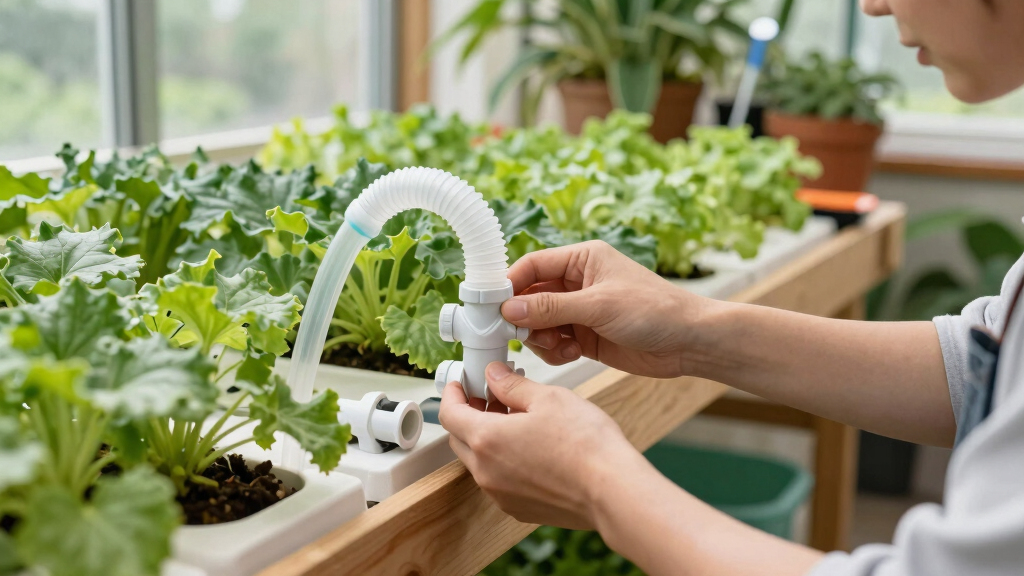
Before selecting a system, consider your farm’s size, water volume, and pest challenges. Smaller setups might benefit from simple DIY solutions like slope adjustments and basic drain pipes, while larger farms often require integrated drainage systems with pumps and filtration. The goal is to prevent water pooling, reduce pest habitats, and facilitate easy cleaning, all while fitting your budget and technical skills.
Key Features to Look For
Durability and corrosion resistance are vital for long-term use. Flexible installation options, such as modular piping or prefabricated systems, can save time. Additionally, features like adjustable slopes, traps, and automated controls enhance effectiveness and reduce ongoing labor. Balance these features against your farm’s scale and your capacity for maintenance to find the best fit.
Cost and Complexity Tradeoffs
Less complex, DIY drain setups are affordable but may require frequent adjustments and manual cleaning. More advanced systems with sensors and automated valves cost more initially but can save labor and reduce water issues over time. Consider your available resources and choose a solution that offers the right mix of cost, effort, and reliability for your operation.
Frequently Asked Questions
What is the most important feature of a drain management system for indoor farms?
The most critical feature is reliable water diversion, which prevents pooling and water damage. Effective drainage reduces pest breeding grounds, minimizes disease risk, and keeps your farm environment healthy. Alongside durability and ease of maintenance, this feature ensures your farm remains productive and pest-free.
Are automated drain systems worth the investment?
Automated systems can significantly reduce manual labor and improve water management precision, especially for larger farms. While they come with higher upfront costs, the long-term savings in time and fewer water-related issues often justify the investment, making them ideal for commercial-scale operations.
Can I install a drain management setup myself?
Many basic setups, like simple slope adjustments and basic piping, are DIY-friendly with some basic plumbing skills. However, more complex systems with pumps, sensors, or filtration may require professional installation to ensure proper operation and safety. Assess your technical comfort level before choosing a system.
How often should I maintain my drain system?
Regular inspection and cleaning are essential, typically every few months or after heavy watering cycles. Check for clogs, leaks, and corrosion, and clear any debris to maintain optimal flow. Proper maintenance extends system lifespan and prevents costly repairs or water issues.
What are common mistakes to avoid with drain management?
Common pitfalls include improper slope installation, using materials not resistant to moisture or corrosion, and neglecting regular cleaning. These errors can lead to water pooling, pest problems, and equipment failure. Planning carefully and adhering to maintenance schedules helps ensure the system performs effectively.
Conclusion
For small-scale indoor farms or growers on a tight budget, simple DIY drain solutions paired with pest traps like the Rocky Mountain Goods Fruit Fly Traps offer effective, cost-efficient management. Mid-sized farms benefit from modular, easy-to-install systems that balance affordability with improved water control. Large or commercial operations should consider investing in automated, integrated drainage setups that minimize manual effort and maximize reliability, even if initial costs are higher.