
TL;DR
A poinsettia’s tiny flowers, or cyathia, may help shoppers judge how far along the plant is: mostly closed buds suggest it has not progressed as far as one shedding pollen or showing bare flower stubs. The cue is not a guarantee, and store conditions, cold exposure, watering and care at home also affect how long the plant stays attractive.
A poinsettia’s tiny central flowers can offer shoppers a clue to how far along the plant is before they buy it, according to a gardening guide: mostly closed buds suggest an earlier stage than flowers shedding pollen or leaving bare stubs. The check may help buyers choose a plant with more time left to display its color, though it cannot predict exactly how long the plant will last.

Get garden gear delivered free with Prime
- Fast, free delivery on millions of items
- Prime Video, Amazon Music and more included
- Member-only deals all year
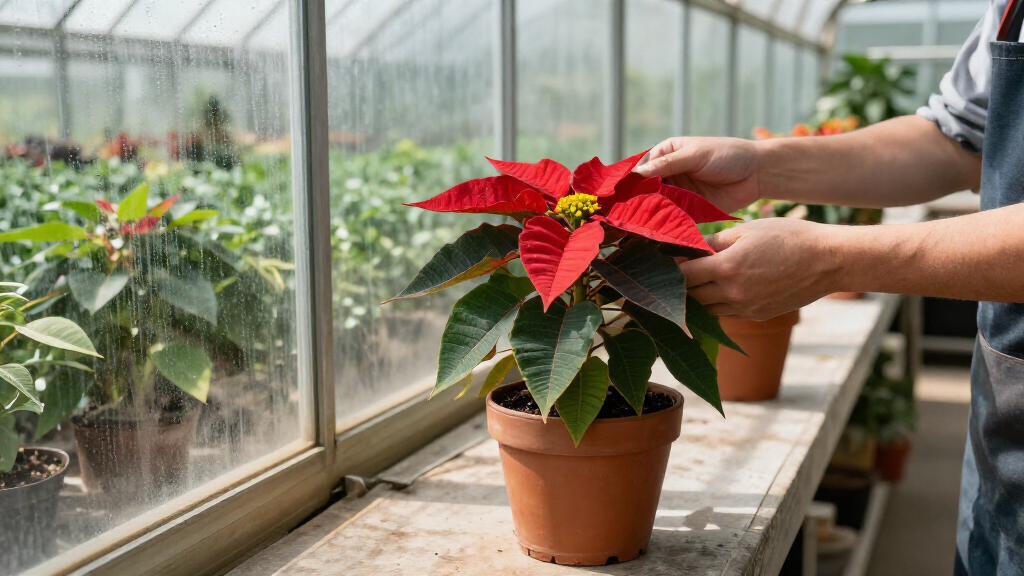
The bright colored parts commonly called poinsettia petals are bracts, not petals. The small structures grouped at their center are the plant’s flowers, known as cyathia. They develop from tight buds, open and shed yellow pollen, then drop off. The guide says the colored bracts typically follow after the cyathia have fallen.
When comparing plants, shoppers can look closely at the centers of several bract clusters. Mostly closed, fresh-looking buds, green or tipped with red, are the preferred sign in the guide. A little yellow alone does not necessarily mean a flower has opened; it can be the gland on the edge of the flower’s cup. Open structures with pollen on the bracts below, or bare stubs where flowers have dropped, indicate a plant that has been blooming for longer.
The guidance cautions that this is a clue, not a firm shelf-life test. Some newer varieties retain their cyathia longer, and plants displayed together can be at different stages. Buyers should also inspect the lower leaves and bracts, look for wilting or signs of insect activity, and check whether the soil is soggy. These signs can point to stress that may affect the plant after purchase.
Could This Small Poinsettia Detail Tell You How Long It May Last?
Cyathia, the tiny flowers at the center of a poinsettia, can hint at its bloom stage. They offer a clue for shoppers, not a promise of how long the plant will stay attractive.
Read the flower stage
Look at the centers of several bract clusters; bract color alone does not show bloom stage.
- Mostly closed, fresh-looking buds
- Buds may be green or tipped with red
- Open flowers shedding pollen
- Bare stubs where flowers have dropped
Check for stress
Inspect more than the flowers before choosing a plant.
Look below the bracts
Yellowing lower leaves, drooping or damaged bracts can signal stress.
Check for whiteflies
Signs of insect activity may affect the plant after purchase.
Avoid soggy pots
Let excess water drain; do not leave the pot sitting in water.
Protect it on the way home
Cold exposure and store handling can contribute to drooping and early flower loss.
Avoid poinsettias displayed near automatic doors or cold drafts.
When outdoor temperatures are below 50°F (10°C), wrap the plant and take it home promptly.
Remove the sleeve and place it in a bright room away from drafts, direct intense sun and heat sources.
A Better Clue Than Bract Color
Bract color is visually striking, but it does not by itself show how long a poinsettia has been flowering. Looking at the small structures at the center gives shoppers another piece of information about the plant’s stage, and can help distinguish a plant with tight buds from one whose flowers have already opened and dropped.
The distinction matters for people buying a poinsettia to keep through the holidays: a plant that looks vivid in the store may already have progressed further in its bloom cycle. Still, buyers should treat cyathia condition as one factor among several. Cold injury, waterlogged roots, pests and the plant’s conditions at home can also contribute to drooping or leaf and bract loss. The source provides no measured lifespan or guarantee tied to a particular bud stage.
Products Worth Considering

Orbit B-hyve XR 8-Zone Indoor/Outdoor Smart Sprinkler Controller

EGO Power+ LV5000 Cordless Leaf Vacuum, Mulcher, and Blower

Greenworks 40V Brushless Electric Leaf Blower with 4.0 Ah Battery and Charger
As an affiliate, we earn on qualifying purchases.
From Store Shelf to Home
The guide links poinsettia longevity to conditions both before and after purchase. It warns that plants placed near automatic doors may be exposed to cold drafts, and that prolonged time in plastic sleeves can contribute to drooping and early flower loss. The guide attributes the latter risk to ethylene building up inside a sleeve, but does not provide measurements or a test of that effect.
Transport and indoor placement also matter. The guide recommends wrapping the plant when outdoor temperatures are below 50°F (10°C), taking it home promptly and removing its sleeve indoors. It advises placing poinsettias in a bright room away from direct, intense sun, heating vents, fireplaces and drafty doors. Suggested household temperatures are about 65–70°F (18–21°C) by day and around 60°F (16°C) or warmer at night.
For watering, the guide says to check whether the soil’s surface is dry and let excess water drain rather than leave the pot sitting in water held by decorative foil. It also says fertilizer is not needed while the plant is in bloom. These care suggestions are separate from the flower-stage check: even a plant with tight cyathia can be damaged by unsuitable conditions.
What the Buds Cannot Predict
The cyathia check does not establish an exact remaining display period. The source gives no trial data, lifespan range or comparison of varieties, and says some newer poinsettias keep their cyathia longer. It also does not identify which varieties those are or quantify how much longer they retain them.
It is also not possible to tell from the guide alone whether open cyathia will always mean that a plant’s bracts are close to falling. Store handling, temperature, watering, pests and home conditions can alter a plant’s appearance. The suggested signs should be read as practical observations, not a guarantee about any individual plant.
Check the Plant Before Buying
Shoppers can compare the centers of several plants rather than choosing by bract color alone. Look for mostly closed cyathia, then check for yellowing lower leaves, drooping, damaged bracts, whiteflies and soil that appears waterlogged. The guide recommends avoiding plants exposed to cold drafts and protecting the chosen plant on the trip home when temperatures are below 50°F (10°C).
After bringing it indoors, monitor soil moisture and let water drain freely. Keep the plant in a bright, warm location away from drafts and direct heat. Those steps may reduce avoidable stress, but how long the color lasts will vary; the source offers no guaranteed date or duration.
Key Questions
What should I look for at the center of a poinsettia?
Look at the cyathia, the small flower structures in the center of the colored bracts. The guide favors mostly closed, fresh-looking buds. Open flowers shedding pollen or bare stubs suggest the plant has been flowering for longer.
Does yellow at the center mean the poinsettia is old?
Not necessarily. The guide says a small amount of yellow can be the gland on the edge of a flower’s cup. The more relevant signs are open flowers with pollen on the bracts below or empty stubs where flowers have dropped.
Can closed buds guarantee the plant will last longer?
No. Closed buds are presented as a useful freshness clue, not a guarantee. Variety, store conditions, transport and care at home can all affect how long the poinsettia remains attractive.
How should I protect a poinsettia on the way home?
The guide recommends wrapping it when outdoor temperatures are below 50°F (10°C), taking it home promptly and removing the sleeve once indoors. It also advises keeping the plant away from drafts, direct heat and water that collects in its decorative foil.
Source: gardeningknowhow.com