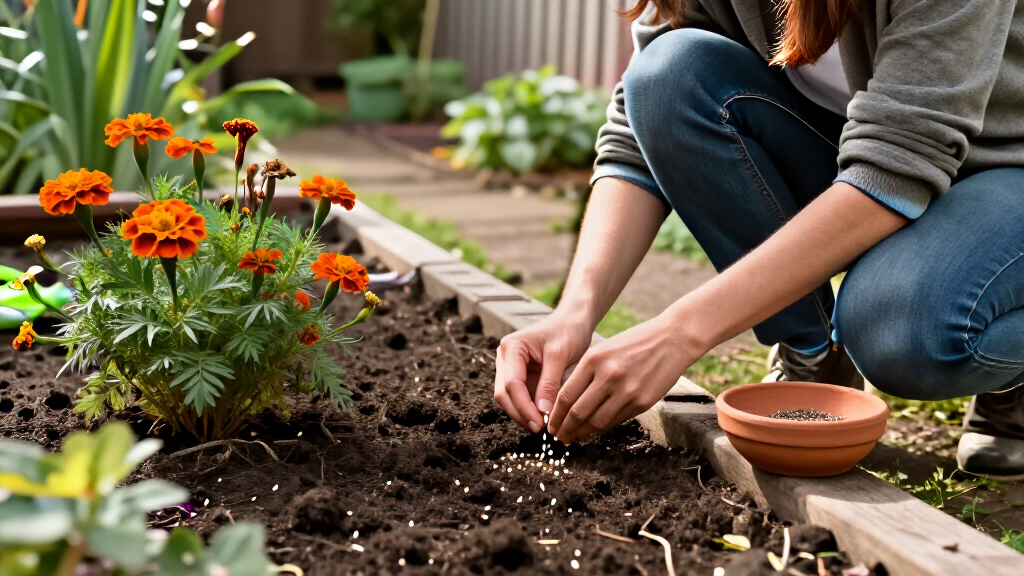

The best fall flower seeds depend on whether you want quick cool-season color, blooms that return, or a broad mix for pollinators. My best overall pick is the Sow Right Seeds Frost Hardy Flower Seed Collection for its focus on flowers suited to cooler conditions. The Swiss Giants Pansy Mix stands out for a dedicated display of large pansies, while the Eden Brothers All Perennial Wildflower Seed Mix suits gardeners willing to wait for a longer-term planting. The main tradeoffs are bloom timing, winter hardiness, seed quantity, and whether a mix includes annuals or perennials. Read on for how the 11 options differ and which fits your garden.

Get garden gear delivered free with Prime
- Fast, free delivery on millions of items
- Prime Video, Amazon Music and more included
- Member-only deals all year
Complete the kit


Key Takeaways
- Cold tolerance matters more than a broad seed count: the frost-hardy collection is the clearest fit for gardeners prioritizing fall and cool-weather performance.
- Pansies offer a more focused color plan than mixed wildflowers: the Giant Mixed and Swiss Giants options center on one familiar cool-season flower, while wildflower mixes trade predictability for variety.
- Perennial mixes suit patient gardeners: Eden Brothers’ perennial blend is aimed at a planting that can persist, not an instant carpet of first-season blooms.
- Large packets are not automatically the best value: the 10,000 black-eyed Susan seeds and the 16,570-plus-seed edible flower pack make most sense when the growing area and planting plan can use that volume.
- Specialty goals change the ranking: New England aster fits a targeted late-season flower choice, and the edible variety pack is for gardeners who want culinary options rather than a simple ornamental bed.
| 200+ Giant Mixed Pansy Seeds, Non-GMO Heirloom Viola Flowers for Outdoor Garden |  | Best for Large, Fragrant Blooms | Seed count: 200+ | Flower size: Up to 4 inches | USDA hardiness zones: 6–9 | VIEW LATEST PRICE | See Our Full Breakdown |
| 10,000 Black-Eyed Susan Heirloom Flower Seeds (Rudbeckia hirta) |  | Best for Large-Scale, Low-Water Planting | Seed count: 10,000 | Plant height: Up to 24 inches | Spacing: 18–30 inches | VIEW LATEST PRICE | See Our Full Breakdown |
| CarpetC199 Pansy Seeds Mix for Planting |  | Best for Frost-Prone Small Gardens | Seed count: 199 | Plant type: Annual | Sunlight: Full sun to partial shade | VIEW LATEST PRICE | See Our Full Breakdown |
| Fall Blooming Mix of Wildflower Seeds |  | Best for a Mixed Wildflower Display | Seed count: 3,400 | Weight: 4.54 g | Usage: Outdoor | VIEW LATEST PRICE | See Our Full Breakdown |
| Sow Right Seeds Frost Hardy Flower Seed Collection |  | Best Variety Pack for Cool-Season Color | Packet count: 5 | Included varieties: Pansy Swiss Giants, Johnny Jump Up violet, orange calendula, Snapdragon Tetra Mix, Sweet Pea Mammoth | Growing location: Indoor and outdoor | VIEW LATEST PRICE | See Our Full Breakdown |
| Eden Brothers All Perennial Wildflower Seed Mix, 1/4 lb |  | Best for a Broad Perennial Planting | Seed varieties: 19 perennial species | Seed weight: 1/4 lb (4 ounces) | Coverage: Up to 1,000 square feet | VIEW LATEST PRICE | See Our Full Breakdown |
| 600 New England Aster Heirloom Flower Seeds, Aster novae-angliae |  | Best for a Late-Season Pollinator Display | Seed count: 600 | Plant: New England aster (Aster novae-angliae) | Flower color: Purple | VIEW LATEST PRICE | See Our Full Breakdown |
| Cool Season Flower Seeds, 10-Variety Heirloom Collection |  | Best for Mixed Cool-Season Color | Varieties: 10 | Included examples: Alyssum, calendula, pansy, snapdragon, ornamental kale, and sweet pea | Expected bloom period: Spring to fall | VIEW LATEST PRICE | See Our Full Breakdown |
| Swiss Giants Pansy Mix Seeds, 1,500 Seeds (Viola × wittrockiana) |  | Best for Compact Fall Color | Seed count: 1,500 | Plant: Swiss Giants pansy (Viola × wittrockiana) | Bloom period: Spring to fall | VIEW LATEST PRICE | See Our Full Breakdown |
| PLANTMEW Edible Flower Seed Variety Pack, 36 Varieties, 16,570+ Non-GMO Heirloom Seeds |  | Best for Edible Flower Variety | Seed varieties: 36 listed varieties | Seed count: Over 16,570 stated in product title | Seed type: Non-GMO, heirloom, open-pollinated | VIEW LATEST PRICE | See Our Full Breakdown |
| 15-Variety Non-GMO Wildflower Seed Mix for Gardens, Butterflies, and Hummingbirds |  | Best for a Broad Pollinator Garden | Seed quantity: 5,000+ seeds | Varieties: 15 | Seed type: Open-pollinated, non-GMO heirloom | VIEW LATEST PRICE | See Our Full Breakdown |
| fall flower seed | Sunlight | Seed count | USDA hardiness zones | Seed type |
|---|---|---|---|---|
| 200+ Giant Mixed Pansy Seeds | — | 200+ | 6–9 | Non-GMO, heirloom |
| 10,000 Black-Eyed Susan Heirlo | Full sun | 10,000 | 1–12 | GMO-free heirloom |
| CarpetC199 Pansy Seeds Mix for | Full sun to partial shade | 199 | — | — |
| Fall Blooming Mix of Wildflowe | Full sun | 3,400 | — | — |
| Sow Right Seeds Frost Hardy Fl | Full sun | — | — | GMO-free heirloom |
| Eden Brothers All Perennial Wi | Full sun | — | 3–10 | Non-GMO |
| 600 New England Aster Heirloom | Full sun | 600 | 2–8 | — |
| Cool Season Flower Seeds | Full sun | — | 3–9 | — |
| Swiss Giants Pansy Mix Seeds | Full sun | 1,500 | 2–11 | — |
| PLANTMEW Edible Flower Seed Va | Full sun | Over 16,570 stated in product title | — | Non-GMO, heirloom, open-pollinated |
| 15-Variety Non-GMO Wildflower | 6+ hours of sun | — | — | Open-pollinated, non-GMO heirloom |
More Details on Our Top Picks
200+ Giant Mixed Pansy Seeds, Non-GMO Heirloom Viola Flowers for Outdoor Garden
For a fall garden where individual flowers should make a strong impression, these giant mixed pansies offer more than the smaller-scale color of the CarpetC199 Pansy Seeds Mix. Blooms can reach 4 inches across, and the purple, yellow, orange, and bicolor mix adds variety to beds or containers. The 200-plus seed count also gives gardeners room to sow beyond a single pot. Their cool-weather preference suits fall planting, with potential color continuing through winter and spring in zones 6–9. The tradeoff is a narrower climate fit than the Black-Eyed Susan seeds, which are listed for zones 1–12 and tolerate heat. These pansies need cool conditions to flower well, and winter performance may disappoint outside their stated zones.
Pros:- Blooms can reach 4 inches across for a more prominent display
- Mixed purple, yellow, orange, and bicolor flowers add visual variety
- Fragrant flowers offer more scent than typical pansies, according to the product details
- More than 200 seeds support multiple sowing areas
Cons:- Best winter performance is limited to USDA zones 6–9
- Needs cool weather to thrive and bloom
- The listing does not provide specific sowing or germination instructions
Best for: Gardeners in USDA zones 6–9 who want large, fragrant cool-season blooms in fall beds or containers.
Not ideal for: Gardeners in hot climates or outside zones 6–9 who need flowers that tolerate heat or have broad winter hardiness.
- Seed count:200+
- Flower size:Up to 4 inches
- USDA hardiness zones:6–9
- Seed type:Non-GMO, heirloom
- Season:Fall, winter, spring
- Colors:Purple, yellow, orange, bicolors
Our verdict“Choose these if you garden in zones 6–9 and want oversized, fragrant pansies for a cool fall and winter display.”
10,000 Black-Eyed Susan Heirloom Flower Seeds (Rudbeckia hirta)
This is the lineup’s clearest choice for covering a broad sunny area: 10,000 seeds make it better suited to meadow-style sowing than either pansy packet. Black-Eyed Susans produce yellow, daisy-like flowers up to 24 inches tall, with blooms listed from summer into fall. Their tolerance for heat, drought, clay, and rocky soil also makes them less demanding than the Fall Blooming Mix, which calls for moderate watering. The quantity does come with a practical cost: sowing such a large number takes space and planning, and the 18–30-inch spacing means the mature plants need room. Seeds need light to germinate, so they should be surface-sown rather than buried. Full sun is required, which rules them out for shaded fall beds.
Pros:- 10,000 seeds suit broad outdoor planting
- Yellow blooms attract bees and butterflies
- Tolerates heat, drought, clay, and rocky soil
- Listed for USDA zones 1–12
Cons:- Requires full sun
- Seeds need light to germinate and must be surface-sown
- Plants need 18–30 inches of spacing, limiting usefulness in tight beds
Best for: Gardeners establishing a sunny meadow, large border, or pollinator planting who can use a very large seed quantity.
Not ideal for: Small-space gardeners, shade gardeners, or anyone seeking a compact container flower with simple spacing needs.
- Seed count:10,000
- Plant height:Up to 24 inches
- Spacing:18–30 inches
- Sunlight:Full sun
- Bloom period:Summer to fall
- USDA hardiness zones:1–12
- Soil tolerance:Tolerates clay and rocky soil
- Water needs:Little to no watering
- Seed type:GMO-free heirloom
Our verdict“Pick this packet for a sunny, spacious pollinator planting where drought tolerance and seed quantity matter more than compact growth.”
CarpetC199 Pansy Seeds Mix for Planting
These pansies make sense for gardeners who want face-like blooms in a border or container without committing to the larger 200-plus-seed giant pansy packet. The listing gives this mix a 199-seed count and describes it as cold-hardy, with light-frost tolerance and a USDA hardiness zone of 3. That stated zone reach makes it a different proposition from the giant pansies, which are listed for zones 6–9. The tradeoff is care: these plants prefer rich, moist, well-drained soil, and deadheading helps extend flowering. Compared with the Black-Eyed Susan seeds, they suit cooler, smaller-scale displays rather than broad, drought-tolerant sunny areas. The product data lists violet as the color, so buyers seeking a clearly varied color mix may prefer another option.
Pros:- Distinctive face-like blooms add detail to borders and containers
- Tolerates light frosts and cool-season conditions
- Listed for indoor and outdoor growing
- Deadheading can extend the bloom period
Cons:- Needs regular watering and moist, well-drained soil
- Deadheading is needed to encourage continued flowering
- The listed color is violet, offering less color variety than the giant mixed pansies
Best for: Cool-climate gardeners in zone 3 seeking frost-tolerant pansies for containers, borders, or small garden beds.
Not ideal for: Gardeners who want minimal watering and deadheading, a broad color range, or flowers suited to hot, dry beds.
- Seed count:199
- Plant type:Annual
- Sunlight:Full sun to partial shade
- Planting period:Spring and fall
- USDA hardiness zone:3
- Soil type:Loam
- Soil moisture:Moderate watering
- Color:Violet
- Growing location:Indoor and outdoor
Our verdict“Choose this mix for frost-prone gardens and containers if you are willing to water regularly and deadhead for longer bloom.”
Fall Blooming Mix of Wildflower Seeds
Unlike the single-flower pansy packets, this 3,400-seed wildflower mix is aimed at gardeners who want a varied outdoor display and pollinator activity rather than a uniform planting. It is intended for direct sowing on bare soil, so it can suit a new bed or open patch better than the five-variety Sow Right Seeds collection, which offers named flower types for more deliberate planting. The mix is listed for all soil types and grows to about 3 feet, making it a better fit for an informal, taller planting than a low container arrangement. There is a timing caveat: despite the fall-blooming name, the supplied data gives spring as the expected bloom period. It also needs full sun and moderate watering, unlike the more drought-tolerant Black-Eyed Susan seeds.
Pros:- 3,400 seeds support a mixed planting across an open area
- Attracts pollinators
- Listed as suitable for all soil types
- GMO-free seed material
Cons:- Full sun is required
- Needs moderate watering
- Expected bloom period is listed as spring, which makes fall timing less clear
Best for: Gardeners with a sunny open patch who want a mixed wildflower planting that attracts pollinators and can be direct-sown.
Not ideal for: Gardeners seeking a predictable fall-only bloom, a low-growing container display, or a planting that needs little water.
- Seed count:3,400
- Weight:4.54 g
- Usage:Outdoor
- Expected bloom period:Spring
- Planting period:Fall to spring
- Sunlight:Full sun
- Expected plant height:About 3 feet
- Soil type:All types
- Moisture needs:Moderate watering
Our verdict“Choose this mix for a sunny, informal wildflower patch, but check local sowing guidance if fall flowering is your main goal.”
Sow Right Seeds Frost Hardy Flower Seed Collection
For gardeners who would rather sow several kinds of flowers than choose one pansy mix, this collection includes five named varieties: Swiss Giants pansy, Johnny Jump Up violet, orange calendula, Tetra Mix snapdragon, and Mammoth sweet pea. That range brings more shape and color variation than the violet-focused CarpetC199 Pansy Seeds Mix, while the fall-blooming wildflower mix is less specific about its flower selection. The collection is described as cold-hardy, fragrant, and capable of flowering from spring through fall, making it suited to extended cool-season color. Its main tradeoff is that five varieties need more attention to individual sowing needs than a single-species packet. It also calls for full sun and regular watering, so it is a weaker fit for hot, dry gardens or anyone seeking a low-water planting.
Pros:- Five flower varieties offer more form and color range than single-variety packets
- Includes pansy, violet, calendula, snapdragon, and sweet pea seeds
- Described as cold-hardy, fragrant, and flowering from spring through fall
- Non-GMO heirloom collection with planting instructions and germination support
Cons:- Full sun and regular watering are needed for best performance
- The five varieties may require more planning than a single-flower packet
- The planting period is listed as spring, which leaves fall sowing guidance unclear
Best for: Gardeners who want several heirloom flower types and a range of colors for a sunny, regularly watered cool-season garden.
Not ideal for: Gardeners in hot, dry locations or buyers who prefer one flower type with simpler, uniform sowing and care requirements.
- Packet count:5
- Included varieties:Pansy Swiss Giants, Johnny Jump Up violet, orange calendula, Snapdragon Tetra Mix, Sweet Pea Mammoth
- Growing location:Indoor and outdoor
- Expected bloom period:Spring to fall
- Planting period:Spring
- Sunlight:Full sun
- Moisture needs:Regular watering
- Seed type:GMO-free heirloom
- Colors:Purple, yellow, white, pink
Our verdict“Choose this collection if you want a varied cool-season garden and are prepared to manage the needs of five flower types.”
Eden Brothers All Perennial Wildflower Seed Mix, 1/4 lb
I’d choose this mix when the goal is a broad patch of perennial flowers rather than a single, carefully selected fall bloom. Its 19 varieties offer more variety than the focused New England aster seeds, while the stated coverage of up to 1,000 square feet suits larger sunny areas. Summer-through-fall flowering and appeal to bees, butterflies, and hummingbirds make it a useful option for a pollinator planting that carries color into autumn.
The tradeoff is that the mix gives less control over exactly which flowers appear and when than the aster seeds, whose fall-to-winter bloom period is more specific. It also calls for full sun and moderate watering, so I wouldn’t pick it for a shaded bed or a low-water site. The listed sandy-soil preference may also be a mismatch for gardeners working with heavier ground.
Pros:- Includes 19 perennial flower varieties for a more mixed planting than a single-species seed packet.
- Coverage is listed at up to 1,000 square feet, making it suited to larger areas.
- Summer-through-fall blooms can provide color across more than one season.
- Flowers can attract bees, butterflies, and hummingbirds.
Cons:- Full-sun placement limits where the mix is likely to suit.
- Moderate watering is required, which may not fit a low-water garden.
- A mixed blend offers less control over the exact flowers and fall display than New England aster seeds.
Best for: Gardeners with a sunny, relatively large area who want a varied perennial planting that supports pollinators and flowers into fall.
Not ideal for: People with shaded or water-restricted gardens, or gardeners who want to choose a specific flower color and bloom window.
- Seed varieties:19 perennial species
- Seed weight:1/4 lb (4 ounces)
- Coverage:Up to 1,000 square feet
- USDA hardiness zones:3–10
- Sunlight:Full sun
- Expected bloom:Summer and fall
- Expected height:25 inches
- Soil and watering:Sandy soil; moderate watering
- Seed type:Non-GMO
Our verdict“Pick this mix for a large, sunny garden where variety and perennial pollinator flowers matter more than a tightly controlled fall display.”
600 New England Aster Heirloom Flower Seeds, Aster novae-angliae
For gardeners who want a defined late-season flower rather than a mixed planting, these New England aster seeds make the more targeted choice. Their stated fall-to-winter bloom window extends later than the broad summer-through-fall display of the Eden Brothers perennial mix, and the purple perennial flowers can draw bees and butterflies when other blooms have faded. At 48 inches tall, they also bring height to a bed where the 18-inch cool-season collection would stay comparatively low.
That focused payoff comes with extra preparation: seeds need eight weeks of cold stratification, and plants call for regular watering. The 18–24-inch spacing also means the 600 seeds aren’t a reason to crowd a bed. I’d skip these if you want simple sowing or a low-growing mix; the cool-season collection offers more kinds of flowers with less seed-prep detail.
Pros:- Fall-to-winter bloom timing targets a later display than the mixed perennial seed blend.
- Perennial growth can return across seasons in suitable conditions.
- Purple flowers can attract bees and butterflies.
- The packet includes a growing guide and 600 seeds.
Cons:- Requires eight weeks of cold stratification before sowing.
- Regular watering is specified.
- Plants reach 48 inches and need 18–24 inches of spacing, limiting use in compact beds.
Best for: Gardeners willing to plan ahead and provide regular water who want tall, purple perennial blooms and pollinator activity late in the season.
Not ideal for: Beginners seeking quick, low-preparation planting, or gardeners without room for tall plants spaced 18–24 inches apart.
- Seed count:600
- Plant:New England aster (Aster novae-angliae)
- Flower color:Purple
- Bloom period:Fall to winter
- Expected height:48 inches
- USDA hardiness zones:2–8
- Sunlight:Full sun
- Cold stratification:8 weeks
- Spacing and care:18–24 inches; loam soil; regular watering
Our verdict“Choose these asters if you can plan for cold stratification and want a tall, specific fall-to-winter pollinator flower.”
Cool Season Flower Seeds, 10-Variety Heirloom Collection
I’d favor this collection when a fall garden needs several kinds of color and texture, not just a single standout flower. Its 10 varieties include alyssum, calendula, pansy, snapdragon, ornamental kale, and sweet pea, giving it broader visual range than the Swiss Giants pansy seeds. Variety-specific instructions also give the gardener more guidance than a general-purpose mix, while the untreated, open-pollinated heirloom seeds suit buyers looking for those seed characteristics.
Compared with the PLANTMEW edible-flower pack, this collection is framed around cool-season ornamentals rather than culinary use. Its listed bloom period runs spring to fall, so it isn’t solely a fall-flowering selection. Full sun and moderate watering are specified, and the expected 18-inch height makes it less useful when a bed needs tall structure. I’d pass if edible blooms or a high-reaching late-season display is the priority.
Pros:- Ten varieties provide more color and texture choices than a single-flower packet.
- Includes named cool-season flowers such as pansy, calendula, and snapdragon.
- Variety-specific growing instructions help distinguish the needs of different seeds.
- Seeds are listed as untreated, heirloom, non-GMO, and open-pollinated.
Cons:- Full-sun exposure is specified, limiting suitability for shaded garden sites.
- Moderate watering is required.
- The stated 18-inch height is modest, and the spring-to-fall bloom window is broader than a dedicated late-fall selection.
Best for: Gardeners who want a range of ornamental cool-season flowers for beds, borders, or containers and value variety-specific growing directions.
Not ideal for: People seeking edible flowers, shade-tolerant options, or tall plants to create a strong vertical backdrop.
- Varieties:10
- Included examples:Alyssum, calendula, pansy, snapdragon, ornamental kale, and sweet pea
- Expected bloom period:Spring to fall
- Expected height:18 inches
- USDA hardiness zones:3–9
- Sunlight:Full sun
- Soil and watering:Loam soil; moderate watering
- Seed features:Untreated, heirloom, non-GMO, open-pollinated
Our verdict“Choose this collection for varied ornamental color across a cool-season garden, but not for edible blooms or tall fall flowers.”
Swiss Giants Pansy Mix Seeds, 1,500 Seeds (Viola × wittrockiana)
These pansies are the clearest fit here for a gardener who wants low-growing flowers in containers, borders, or balcony boxes. At a listed height of 6 inches, they sit far below the 48-inch New England asters, so they can add color at the front of a bed without competing for height. The broad stated hardiness range of USDA zones 2–11 also gives them wider climate reach than the cool-season collection, which is listed for zones 3–9. Their spring-to-fall bloom period can include autumn color.
The tradeoff is focus: this is a pansy mix, not the multi-flower variety offered by the cool-season collection or the Eden Brothers wildflower blend. Full sun and regular watering are specified, so these aren’t the best fit for a dry or shady site. The listing mentions high germination and an online grow guide, but the provided product details don’t quantify germination, so I wouldn’t treat that claim as a precise guarantee.
Pros:- Six-inch expected height suits containers, rockeries, and the front of borders.
- Spring-to-fall bloom period can provide color into autumn.
- Listed for USDA zones 2–11, a broad range compared with the cool-season collection.
- Includes 1,500 seeds and an online growing guide.
Cons:- Offers pansies rather than the range of flower types in a mixed collection.
- Full sun and regular watering are specified.
- The high-germination claim is not accompanied by a stated germination percentage in the supplied details.
Best for: Gardeners in a wide range of climates who want compact pansies for sunny containers, balcony boxes, borders, or bed edges.
Not ideal for: Buyers who want a diverse flower mix, tall plants, or a low-water and shade-friendly option.
- Seed count:1,500
- Plant:Swiss Giants pansy (Viola × wittrockiana)
- Bloom period:Spring to fall
- Expected height:6 inches
- USDA hardiness zones:2–11
- Sunlight:Full sun
- Soil and moisture:Loam soil; regular watering
- Planting period:Spring and fall
- Additional features:Heirloom, GMO-free; online grow guide included
Our verdict“Pick these pansies for compact, sunny fall color across a broad range of climates, but choose a mix if you want more flower variety.”
PLANTMEW Edible Flower Seed Variety Pack, 36 Varieties, 16,570+ Non-GMO Heirloom Seeds
This pack serves a different fall-garden goal from the ornamental choices: it’s aimed at growers who want edible flowers for cooking or tea as well as blooms that can attract pollinators. Its 36 listed varieties and more than 16,570 seeds offer far more stated diversity than the 10-variety cool-season collection, though the two packs are designed for different uses. Resealable, moisture-proof packets and step-by-step sowing-to-harvest instructions are useful when managing many seed types, and indoor as well as outdoor planting broadens where they can be started.
I’d be cautious about choosing it solely for a defined fall display: the listing says year-round blooming, but supplies no specific fall schedule for individual varieties. Full sun is specified, and the product information gives conflicting counts—36 varieties but a separate item count of 30. Compared with the Swiss Giants pansies, this pack offers greater variety and culinary use, but less clarity about which flowers will peak in autumn.
Pros:- Offers 36 listed edible flower varieties for culinary and tea gardens.
- Includes more than 16,570 seeds, according to the product title.
- Resealable, moisture-proof packets can help manage a large assortment of seeds.
- Provides sowing-to-harvest instructions and supports indoor or outdoor planting.
Cons:- Product details conflict on the assortment count, listing 36 varieties and a separate item count of 30.
- The year-round bloom claim does not provide a variety-specific fall schedule.
- Full sun is specified, which may not suit shaded growing spaces.
Best for: Gardeners planning a culinary or tea garden who want many edible flower varieties, packet-by-packet instructions, and indoor or outdoor growing options.
Not ideal for: Buyers who want a clearly specified fall bloom schedule, a single easy-to-manage flower, or a consistent variety count across the listing.
- Seed varieties:36 listed varieties
- Seed count:Over 16,570 stated in product title
- Seed type:Non-GMO, heirloom, open-pollinated
- Use:Edible flowers for culinary and tea gardens
- Growing location:Indoor and outdoor
- Sunlight:Full sun
- Blooming period:Year round, as stated
- Packet packaging:Resealable, moisture-proof
- Included:Step-by-step growing instructions
Our verdict“Choose this pack for edible-flower variety and culinary growing, not when a precise autumn bloom calendar is your main requirement.”
15-Variety Non-GMO Wildflower Seed Mix for Gardens, Butterflies, and Hummingbirds
I’d choose this mix when fall planting plans call for variety across a larger area rather than a single signature flower. Its 5,000+ open-pollinated seeds span 15 varieties, including zinnias, cosmos, poppies, cornflowers, and sunflowers, giving gardeners a broader mix of shapes and colors than a focused choice like 600 New England Aster Heirloom Flower Seeds. It’s also suited to beds, borders, meadows, and containers, so the seed count can be divided among different spots.
The tradeoff is that a mixed packet offers less control over which flowers dominate, and its listed 20–30-day germination period calls for patience. It needs at least six hours of sun, and new seedlings require gentle watering. I’d pick it for a sunny, pollinator-minded planting, not for a tightly planned display or a shady fall garden.
Pros:- Includes 5,000+ seeds across 15 flower varieties for a diverse planting.
- Features flowers intended to attract bees, butterflies, and hummingbirds.
- Can be sown in garden beds, meadows, borders, or containers.
- Open-pollinated, non-GMO heirloom seed.
Cons:- Requires a sunny site with at least six hours of sunlight.
- A mixed variety packet offers less control over the final flower composition.
- Seedlings need gentle watering until established, and germination may take 20–30 days.
Best for: Gardeners with a sunny bed, border, or meadow who want multiple flower varieties and pollinator appeal from one seed mix.
Not ideal for: Gardeners seeking a predictable single-flower display or planting in a shaded area; this mix needs full sun and combines many varieties.
- Seed quantity:5,000+ seeds
- Varieties:15
- Seed type:Open-pollinated, non-GMO heirloom
- Sunlight:6+ hours of sun
- Planting depth:No deeper than 1/8 inch
- Germination period:20–30 days
- Listed flower varieties:Sunflower, zinnia, cosmos, February orchid, sulphur cosmos, safflower, marigold, cornflower, four o’clock, forget-me-not, chrysanthemum, echinacea, poppy, red clover, and other varieties
Our verdict“Choose this mix for a sunny, varied pollinator planting; choose a focused option like New England aster seeds if you want one flower type to anchor the display.”

How We Picked
I ranked these seeds by how clearly each option fits fall planting and cool-season gardening, rather than by packet size alone. I weighed named frost-hardy or cool-season positioning, the flower types included, whether the mix is annual or perennial, and how well the product’s scope matches a likely garden use such as a pansy bed, pollinator planting, or edible flowers. I also considered how easily a buyer can plan around a focused single-flower packet versus a broad mixture.
The frost-hardy collection leads because its stated purpose most directly matches fall growing. Pansy mixes and the cool-season collection follow for gardeners seeking seasonal color, while wildflower and perennial mixes rank better for broader habitat planting or longer-term beds. High seed counts and wide variety add flexibility, but they do not outrank planting fit: a large packet can be harder to use well, and a diverse mix may offer less control over the final look. Seed performance still depends on local climate, sowing dates, soil, and care.
| fall flower seed | Seed type |
|---|---|
| 200+ Giant Mixed Pansy Seeds | Non-GMO, heirloom |
| 10,000 Black-Eyed Susan Heirlo | GMO-free heirloom |
| CarpetC199 Pansy Seeds Mix for | — |
| Fall Blooming Mix of Wildflowe | — |
| Sow Right Seeds Frost Hardy Fl | GMO-free heirloom |
| Eden Brothers All Perennial Wi | Non-GMO |
| 600 New England Aster Heirloom | — |
| Cool Season Flower Seeds | — |
| Swiss Giants Pansy Mix Seeds | — |
| PLANTMEW Edible Flower Seed Va | Non-GMO, heirloom, open-pollinated |
| 15-Variety Non-GMO Wildflower | Open-pollinated, non-GMO heirloom |
Factors to Consider When Choosing Best Fall Flower Seeds
Fall seed choices are shaped by more than flower color. I would match the packet to the time left before frost, the amount of sun and space available, and whether the planting needs to bloom quickly or return in later seasons.
Match sowing time to your first frost
Check your local first-frost window before choosing a seed packet, since “fall flower” does not mean every variety can be sown at the same time. Some flowers need a long growing period to bloom, while others are more suited to establishing in cool weather. Count backward from the expected frost date and follow the packet’s sowing guidance rather than relying on the season name. Gardeners with a short fall window may get more dependable color from established plants or seeds started earlier. A late sowing can still establish roots without producing much bloom that year. This timing check often matters more than buying a larger quantity.
Decide between annual color and perennial return
Annuals are usually the better fit when the goal is a planned burst of color for one season, while perennials are for gardeners building a bed over time. A perennial mix may take longer to settle in and can look sparse during its first season, so it is a poor match for someone expecting immediate coverage. Annual mixes can fill gaps quickly but may need to be replanted. Read the species list where available; a mix label alone may not tell you how the planting will behave in later years. Consider whether you are comfortable with self-seeding, which can shift the layout from year to year. Choose according to the garden’s future role, not just the first flush of flowers.
Treat seed counts as a planning question
A high seed count helps only if you have enough prepared ground and can sow at the recommended density. Crowding seedlings can reduce airflow and make thinning more work, while sowing a small amount from a very large packet raises storage questions. Before buying, estimate the bed area and check the packet’s coverage guidance if it provides one. For broad, open plantings, a larger quantity can be useful; for containers or a narrow border, a smaller focused packet may be easier to manage. Keep unused seeds dry, cool, and labeled, and check the supplier’s storage guidance. Packet size should support the planting plan, not define it.
Choose between a focused display and a mixed planting
A single-flower packet gives more control over the look and makes it easier to group plants with similar needs. A wildflower or multi-variety mix offers more visual and ecological variety, but the species may differ in height, bloom timing, and preferred conditions. That can produce an informal effect rather than an even, coordinated bed. For a front border or a color-specific design, favor a focused selection and plan spacing carefully. For a meadow-like patch, mixed seeds can suit the goal if the site conditions match the included flowers. Check the seed list so you know what you are sowing rather than relying on a broad label.
Check local suitability and garden conditions
Sun exposure, drainage, soil, and regional climate shape results as much as the seed type. A flower described as hardy may still struggle in waterlogged soil or a shaded spot that does not suit its needs. Look up the listed species against local growing guidance, especially for mixes with many varieties. Gardeners near natural areas can also check whether a proposed mix includes plants appropriate for their region. Prepare the bed by clearing weeds and loosening the surface enough for good seed-to-soil contact, then water gently so seeds are not displaced. Picking for the actual site reduces wasted seed and disappointing gaps.
Pay more for fit, not just variety
A larger or more varied collection can be worthwhile when it saves separate purchases or serves several planned beds. It is less useful when you only need one flower type or cannot provide the range of conditions its varieties may require. A focused packet can simplify sowing and make the final display easier to predict. Before choosing a premium-sized assortment, ask whether you will use the varieties, have room for them, and can follow their different growing needs. Beginners often benefit from a small, clearly defined planting goal rather than the broadest mix. Spend for the planting outcome you want, not the biggest number on the label.
Frequently Asked Questions
Can I sow fall flower seeds directly outdoors?
Many flower seeds can be sown directly, but the right method and timing vary by species and local conditions. Read the packet for sowing depth, temperature guidance, and whether seeds need light to germinate. Clear weeds first and press small seeds into prepared soil so they make contact without being buried too deeply. Keep the surface evenly moist while seeds germinate, especially if autumn rain is unreliable. If frost is close, check whether the variety can establish in the remaining time or whether starting earlier would have been a better plan.
Which type should I choose if I want flowers before winter?
Look for varieties specifically suited to cool weather and compare their expected time to bloom with the time remaining before your local first frost. A seed packet cannot promise same-season flowers if the plants need a longer establishment period. Focused pansy or cool-season selections may suit a seasonal display, but sowing date and growing conditions still affect results. If the window is short, consider whether young plants are a more practical route than seed. Avoid choosing solely by a product’s fall label; check the growing directions for your region.
Are wildflower mixes a good choice for a small garden?
They can work in a small garden if the mix matches the site and you are comfortable with a more informal result. Check the species list for plant height, spread, and sun requirements, since some mixes are better suited to open ground than tight borders. A smaller space may be easier to manage with a focused packet or a carefully selected handful of varieties. Do not sow the entire packet just because it comes in one container; use the recommended density and save the rest according to the supplier’s storage directions. If you want a neat, uniform edge, a wildflower mix may take more editing than you expect.
Should I buy a perennial mix or an annual mix for fall planting?
Choose a perennial mix if you are planning a bed that can establish over time and you do not need a full display right away. Annuals are a better fit for a one-season color plan, though they may need to be replanted. Some mixes combine different life cycles, so check the listed varieties rather than assuming the whole packet behaves one way. Perennials also need conditions suited to their varieties and may take more than one season to reach their intended display. Your available space and patience matter as much as the promise of flowers returning.
How much seed should I buy for a flower bed?
Start with the bed’s area and the packet’s coverage or sowing-rate instructions, if provided. Seed counts are difficult to compare across species because seed size and recommended spacing vary widely. A very large packet may suit a meadow or several beds but can be excessive for a compact border. For a mixed planting, account for the different growth habits rather than scattering seed as evenly as possible by eye. Buying for a measured area helps avoid overcrowding and leaves you with a clearer plan for storing any unused seed.
Conclusion
For most gardeners focused on cool-season planting, I would start with the Sow Right Seeds Frost Hardy Flower Seed Collection as the best overall match. The 10,000 Black-Eyed Susan Heirloom Flower Seeds may offer the best value for someone with room for a substantial single-flower planting, but its volume is excessive for a small bed. Beginners who want a more controlled seasonal display can choose a pansy mix, while Eden Brothers All Perennial Wildflower Seed Mix is the better premium-style direction for gardeners building a longer-term planting. For specific needs, choose New England aster for a focused flower selection, the edible variety pack for culinary gardening, or a wildflower blend when varied pollinator-friendly planting is the goal. Match the packet to your site and sowing window before choosing by seed count.